
Comparisons
Natural vs Lab-Grown Diamonds
What separates natural vs lab-grown diamonds, and how to decide which suits you.
By Ring Wisdom Editorial TeamPublished Updated
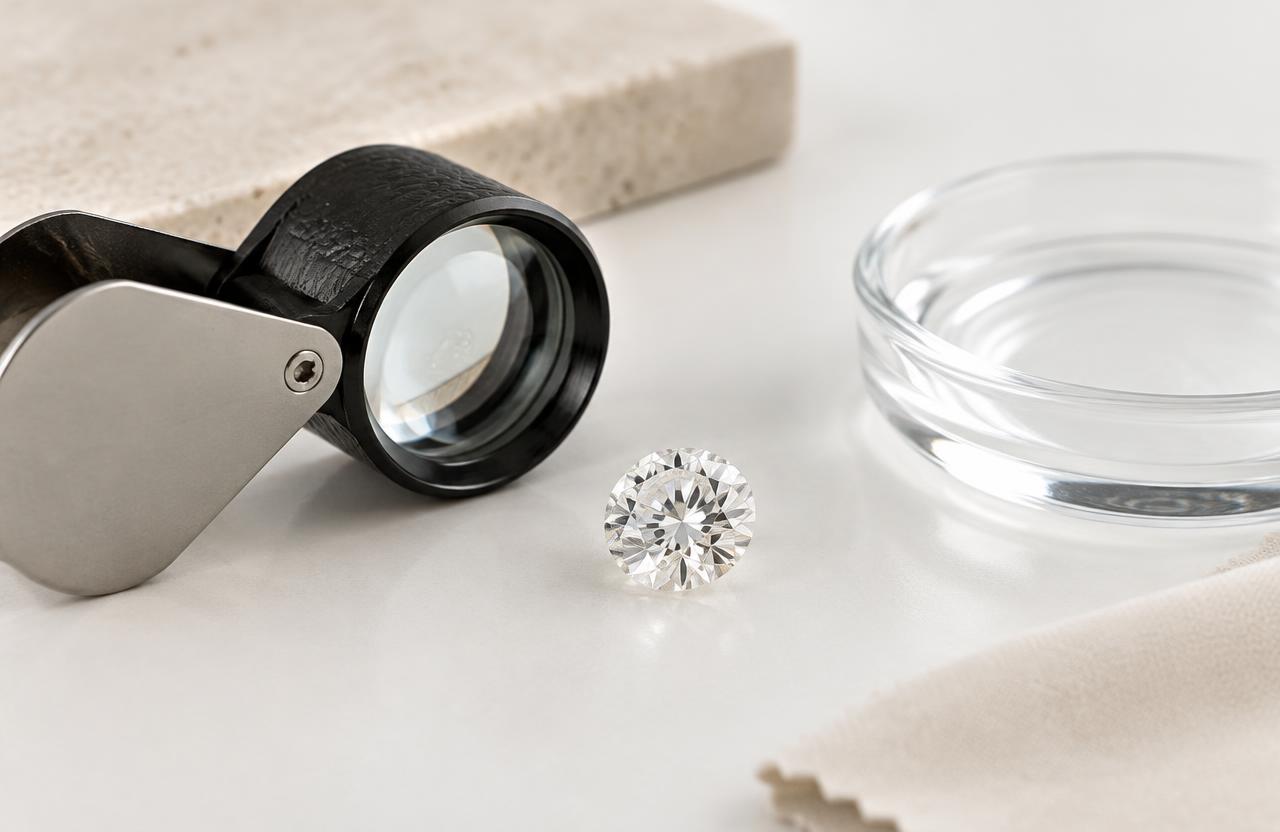
Short introduction
What separates natural vs lab-grown diamonds, and how to decide which suits you.
Who this comparison is for
Buyers weighing origin, size, and budget.
Comparison methodology
This is an editorial comparison of design characteristics and buyer trade-offs, not hands-on product testing or a retailer ranking. Evaluate the criteria below against the individual ring, grading report where relevant, and current written seller information. Affiliate commission is not an evaluation criterion.
- Preference for diamond origin
- Independent grading and individual appearance
- Current total quote, without assuming resale value
Main differences
Origin
Natural diamonds form in the earth over long periods. Lab-grown diamonds are created in controlled environments. Both can be graded by independent laboratories.
Deciding
The choice is personal. Consider what matters to you, and rely on grading reports rather than marketing claims.
Pros
- Both are real diamonds with the same basic properties
- Lab-grown often allows a larger stone for the budget
Considerations and limitations
- Long-term resale value is uncertain for both
- Always confirm origin on the grading report
- Examples describe general options, not verified products. Individual rings and diamonds differ; no current prices, discounts, stock status, or shipping commitments have been checked.
Best choice for different buyer types
Here, “best choice” means a closer fit to your priorities using the criteria above, not a tested product award or a universal winner.
Geological origin matters
Consider a natural diamond and verify its origin and quality through its grading report.
Open to laboratory-grown origin
Compare a lab-grown diamond on appearance, grading, and current quoted cost rather than treating origin as a quality grade.
Budget and trade-off guidance
Obtain current quotes for comparable specifications and be clear about origin. Do not assume either choice is an investment or will retain a particular resale value.
Our editorial verdict
Both options should be evaluated as individual diamonds. Origin is a personal preference, not a substitute for grading, appearance, or a budget you can comfortably afford.
Alternatives to consider
Explore these related decisions before narrowing your options.
Frequently asked questions
Can you tell them apart by eye?
Generally no. Specialized equipment is usually needed, which is why grading reports note origin.
Last reviewed date
Recorded article review date: .
This is the article's existing editorial date, not confirmation that retailer prices, policies, or stock were checked on that date.
Sources and further reading
These independent educational resources explain the evaluation topics above. They do not verify individual products or endorse our buyer-fit conclusions.
Related articles
Diamond Education
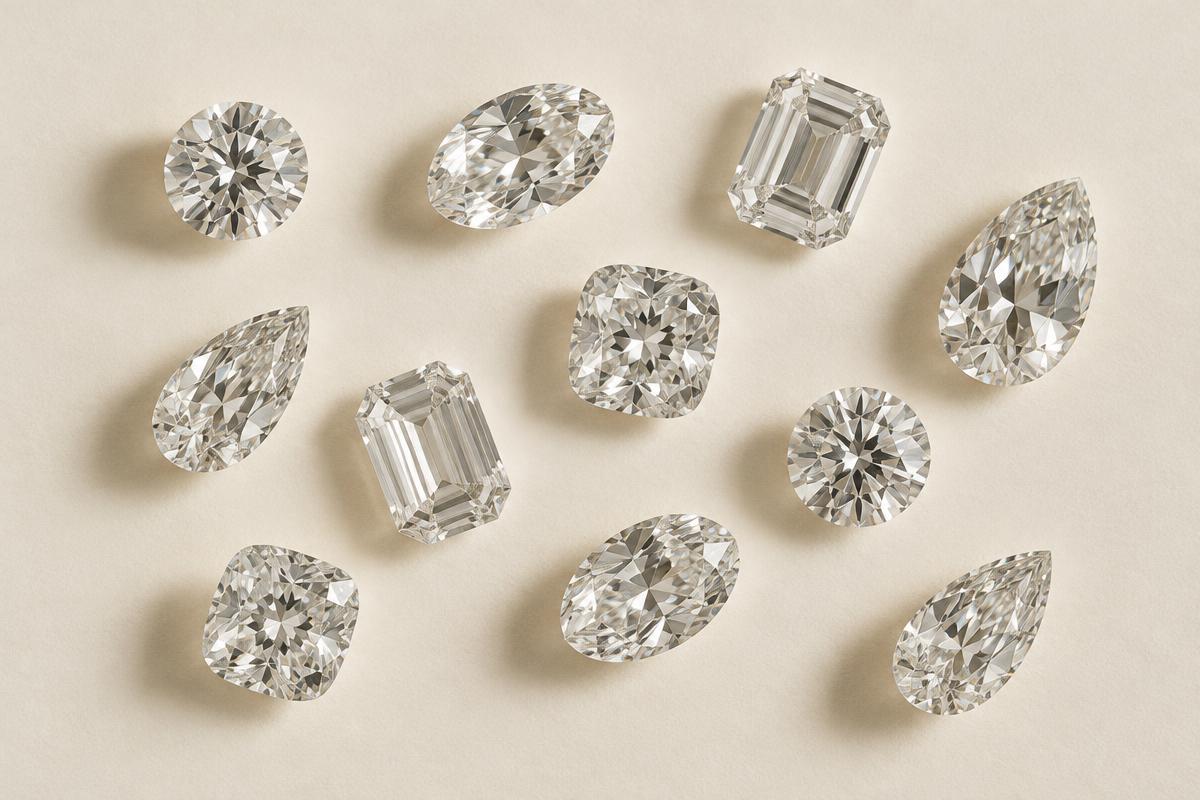
What Are the 4Cs?
Cut, color, clarity, and carat explained in plain language — the foundation of any diamond buying guide.
Updated October 12, 2026
Comparisons
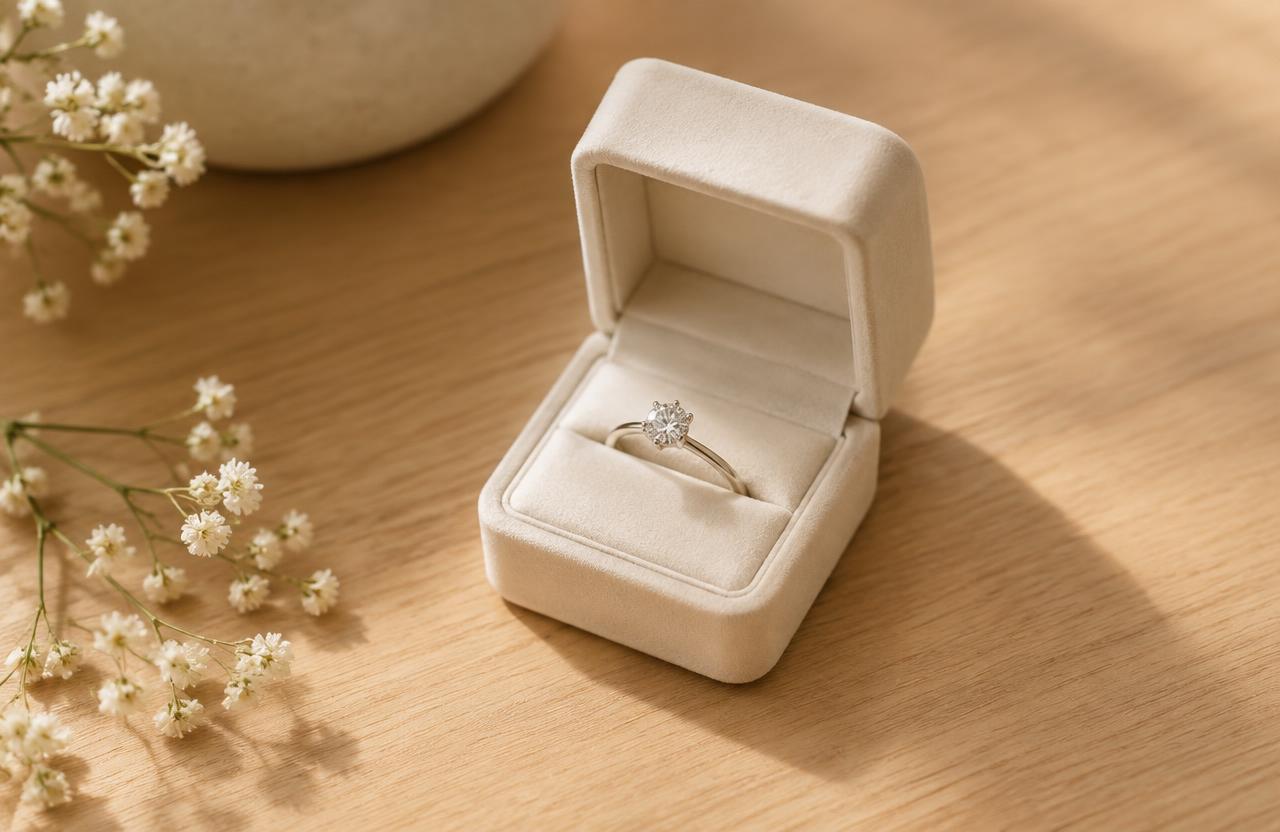
Best Engagement Rings Under $2,000
How to approach a diamond ring by budget when you plan to spend up to $2,000.
Updated October 18, 2026