
Ring Sizing
Ring Resizing Guide: How to Make a Ring Fit Better
Learn how ring resizing works, which rings can be resized, and what to ask a jeweler before changing a ring’s size.
By Ring Wisdom Editorial TeamPublished Updated
Affiliate disclosure: we may earn a commission from qualifying purchases through links in this article, at no extra cost to you. Learn more.
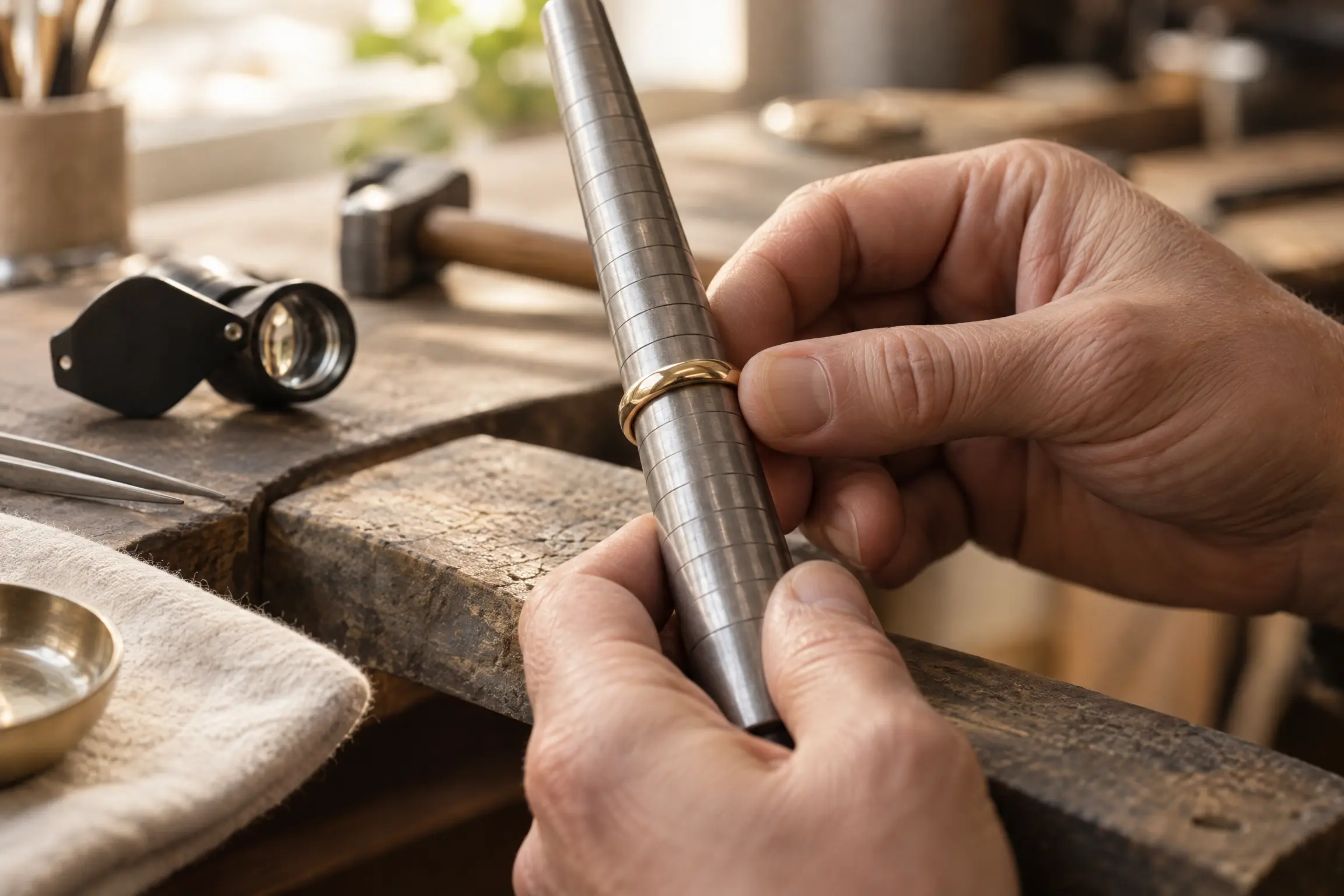
How Does Ring Resizing Work?
A professional jeweler usually changes a ring’s size by adjusting the shank, the part of the band that circles the finger. To make a simple metal band smaller, the jeweler may remove a small section of metal, join the ends, and refinish the area. To make it larger, the jeweler may open the band and add compatible metal, then join and refinish it. The exact method depends on the design and material.
After the adjustment, the jeweler checks the shape and finish and may inspect the setting and stones. Resizing can affect more than the ring’s inner diameter: a complicated band or a substantial size change may alter its shape or the way stones sit. Ask what work will be done and whether any design details could change before authorizing the repair.
Can Every Ring Be Resized?
No. Many rings can be resized, but a jeweler must consider the design and material first. Intricate designs and certain metals may not be suitable for alteration. Pavé and channel-set rings can be difficult to resize, and rings with stones all the way around the band can be especially challenging.
- Eternity bands: Stones encircle the entire band, leaving little or no plain metal where a jeweler can make an adjustment.
- Pavé or channel-set bands: Reshaping the shank can affect the setting or the spacing and security of the small stones.
- Detailed or patterned bands: Engraving, milgrain, or other continuous details may be interrupted or distorted by resizing.
- Tension settings: Changing the ring’s shape may affect the precise pressure and alignment that hold the stone.
- Rings with multiple components or unusual shapes: Bypass, split-shank, or multi-band designs may need specialist assessment.
Part 1 of 5 complete
Materials That May Need Specialist Advice
Gold, platinum, and silver are commonly used in rings that can sometimes be resized, but the result still depends on the individual piece. Titanium, tungsten, and other alternative materials can be difficult or impossible to resize using conventional methods.
Do not assume that a ring can be resized based only on its appearance or metal color. Check the maker’s guidance or ask a jeweler who works with that material.
How Much Can a Ring Be Resized?
There is no universal safe limit. A modest adjustment may be possible on many conventional rings, while a larger change can put more stress on the band, affect its roundness, or disturb a setting. Many rings can be resized by a size or two, but larger changes depend on the ring’s style. Changing several sizes can affect the ring’s shape and put gemstones at risk.
Treat any quoted size range as specific to the jeweler’s policy or the ring being evaluated—not as a guarantee for all rings. Before proceeding, ask the jeweler to confirm the target size, whether the design permits that change, and what risks or visible changes to expect.
How to Know If Your Ring Needs Resizing
A ring should feel secure without causing pain or discomfort. It should pass over the knuckle with some resistance, then sit comfortably at the base of the finger. If it spins often, slides off easily, leaves deep marks, or becomes uncomfortable to remove, its fit may need professional assessment.
Finger size can change with temperature, time of day, and other conditions. A ring may feel looser when your hands are cold and tighter when they are warm. Before ordering a permanent adjustment, notice how it fits at different times and in ordinary conditions. If the fit has changed suddenly or swelling is persistent, speak with a healthcare professional as appropriate; a jeweler can assess the ring itself, not diagnose the cause of swelling.
How to Get the Right Ring Size Before Resizing
Ask a jeweler to measure your finger with a professional ring sizer and to check how the ring passes over your knuckle. Measure the finger on which the ring will be worn; fingers on different hands are not always the same size. If you plan to wear a wedding band and engagement ring together, try them on together because the combined width can feel tighter than one ring alone.
The band’s width and shape matter. A wide band can feel snugger than a narrow one at the same nominal size. Temperature can also affect comfort, so avoid making a sizing decision when your hands are unusually cold or swollen. If you are uncertain, ask the jeweler whether a short trial with a temporary adjuster is appropriate before a permanent change.
Avoid relying on a strip of paper or string as the final measurement. String can stretch and paper can be inaccurate, and these methods may not account for the knuckle. A professional measurement is a better starting point for a valuable or sentimental ring.
What to Ask a Jeweler Before Resizing
Before leaving your ring for adjustment, ask the jeweler these questions:
- Can this specific ring be resized in the direction and amount I need?
- What method will you use, and will it affect the setting, stones, engraving, or finish?
- Will the metal or ring profile look different afterward?
- Will you inspect the stones and settings before and after the work?
- What is the expected cost and turnaround time for this ring?
- Does the work affect any manufacturer warranty, return policy, or service plan?
- If resizing is not advisable, what alternatives are available?
Alternatives When Resizing Is Not the Best Option
If a ring cannot be resized—or you want to test the fit before making a permanent change—ask about alternatives. A jeweler may be able to fit sizing beads or a removable adjuster, depending on the ring and the reason it moves. These options can improve how a ring sits, but they do not change the ring’s underlying size and may not be right for every design or wearer.
For an eternity band or a ring made from a difficult-to-resize material, an exchange, remake, or custom replacement may be more appropriate. For a ring that is only temporarily loose, a removable ring adjuster may be worth discussing. Avoid bending, cutting, heating, or stretching a ring yourself; an improvised repair can damage the band or loosen stones.
What Happens After a Ring Is Resized?
When you collect the ring, try it on and check that it passes over your knuckle, sits securely, and feels comfortable. Look for an even shape and finish, and ask the jeweler to show you the resized area if the design makes it visible. If the ring has stones, have the jeweler confirm that the settings were checked after the work.
Follow the jeweler’s care advice and keep the service paperwork. If the ring feels wrong after you have worn it in normal conditions, contact the jeweler promptly rather than attempting to adjust it yourself. A further change may be possible, but repeat work is not suitable for every ring.
The Right Resize Starts with an Expert Assessment
A professional ring resize can make a favorite piece more comfortable, but the best approach depends on the ring’s construction—not just the number on a size chart. Have a jeweler measure your finger, inspect the metal and setting, and explain the options before work begins.
If resizing is not suitable, a temporary adjuster, exchange, or custom solution may help you get a secure fit without risking the design.
Keep learning: read the Diamond Buying Guide, explore diamond shapes and the diamond 4Cs, browse comparisons, or see all buying advice.
Frequently asked questions
How long does it take to resize a ring?
Timing varies with the jeweler, the metal, the design, and the amount of work required. Ask for an estimate after the jeweler has inspected the ring, especially if you need it by a particular date.
Does resizing damage a ring?
A suitable ring can often be resized by a qualified jeweler, but no method is right for every design. Resizing can affect the band’s shape, finish, or stone settings, particularly when the ring has intricate details or needs a large adjustment. Ask the jeweler to explain the risks for your specific ring.
Can an engagement ring be resized?
Many engagement rings can be resized, especially simpler designs, but the setting, stones along the band, metal, and amount of change all matter. Rings with pavé or channel-set stones may require additional care, and some designs may not be suitable. Have the ring inspected before requesting a change.
Can an eternity ring be resized?
An eternity ring with gemstones all the way around is often difficult to resize because there may be no plain section of metal to adjust without disturbing the stones. A jeweler can assess whether a particular design has a workable option; an exchange or remake may be more suitable in some cases.
Can I make a ring bigger at home?
Do not try to enlarge a ring at home by stretching, cutting, heating, or hammering it. These methods can distort the band, weaken a setting, or loosen stones. Ask a jeweler to inspect the ring and recommend a safe option.
Is it better for a ring to be slightly too big or too small?
Neither is ideal. A ring that is too small can be uncomfortable or difficult to remove, while one that is too large may slip off. A jeweler can help find a secure, comfortable fit that accounts for your knuckle, band width, and how the ring will be worn.
Related articles
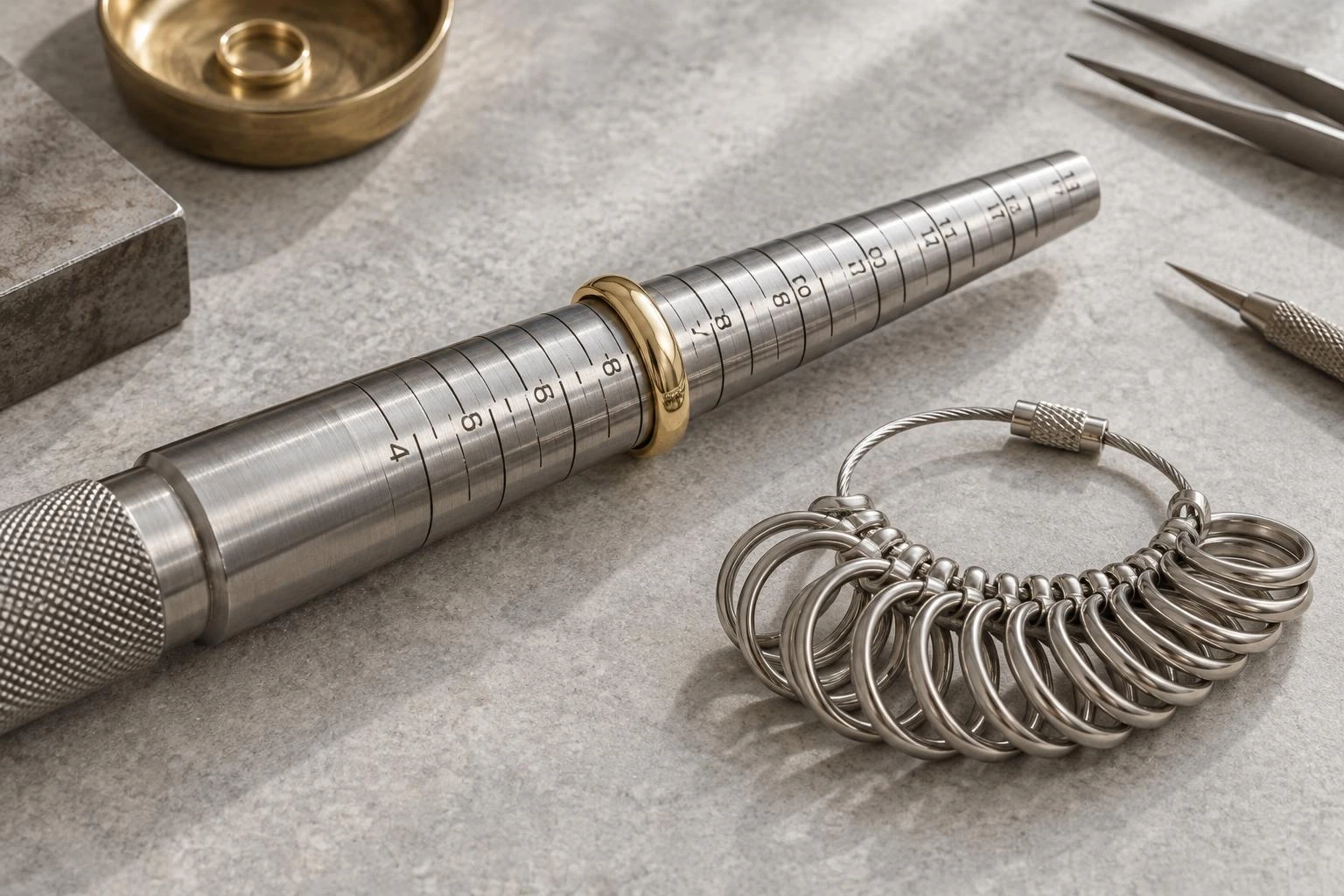
Ring Sizing
How to Find Your Ring Size: Accurate Methods and Fit Tips
Discover how to measure your ring size accurately, understand proper ring fit, use professional sizing tools and discreetly estimate a surprise engagement ring size.
Updated November 11, 2026
Jewelry Care
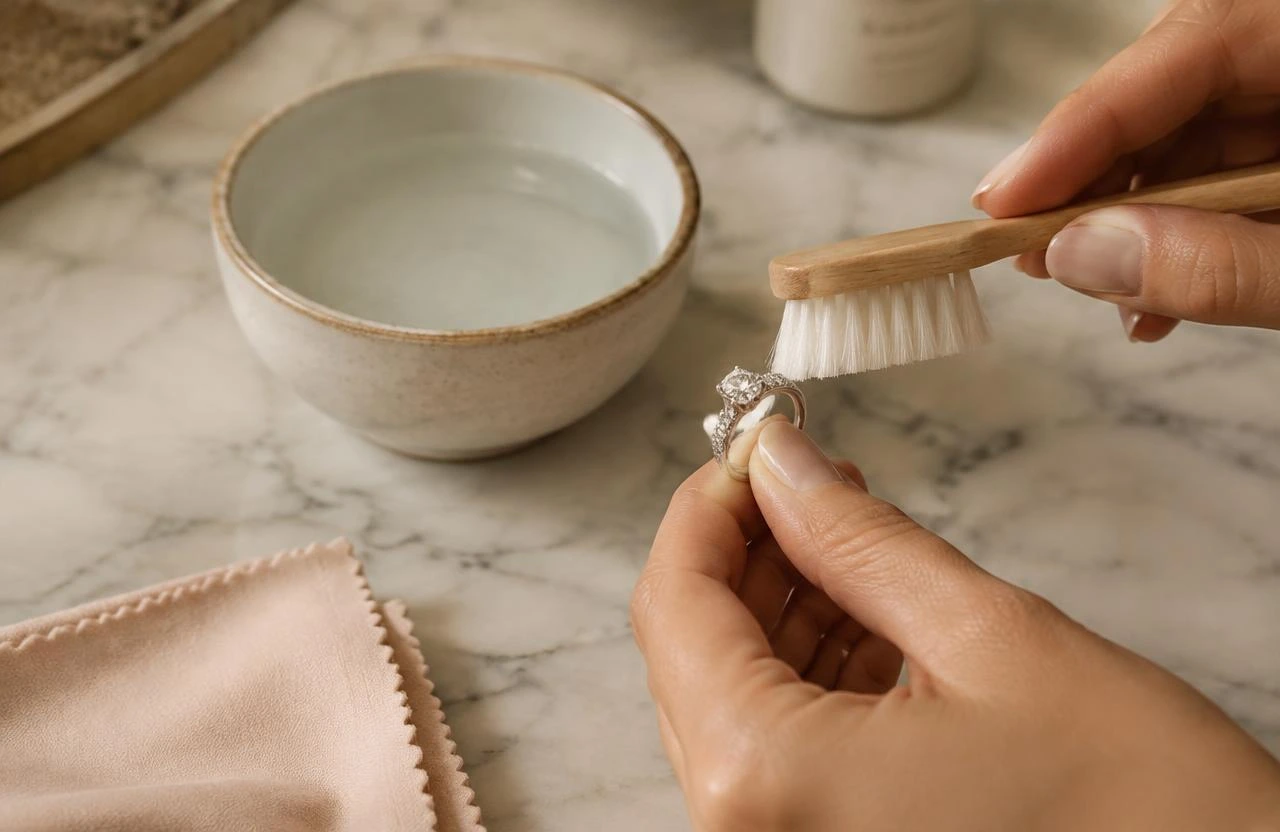
How to Clean a Diamond Ring at Home: 5 Simple Steps for More Sparkle
To clean a diamond ring at home, soak it in warm water with a little mild dish soap, gently brush the stone and setting with a soft toothbrush, rinse over a closed drain, and pat dry with a lint-free cloth.
Updated November 13, 2026
Engagement Ring Shopping
How to Choose an Engagement Ring: 5 Setting Styles Compared
Compare solitaire, halo, hidden halo, bezel and vintage-inspired settings by look, security, upkeep and total cost, then use a simple scoring framework to pick between your finalists.
Updated November 13, 2026