
Diamond Education
Blue Topaz Engagement Ring Buying Guide: How to Choose the Right Stone
Explore blue topaz colors, treatments, durability, settings, and care to choose an engagement ring that suits your style and lifestyle.
By Ring Wisdom Editorial TeamPublished Updated
Affiliate disclosure: we may earn a commission from qualifying purchases through links in this article, at no extra cost to you. Learn more.
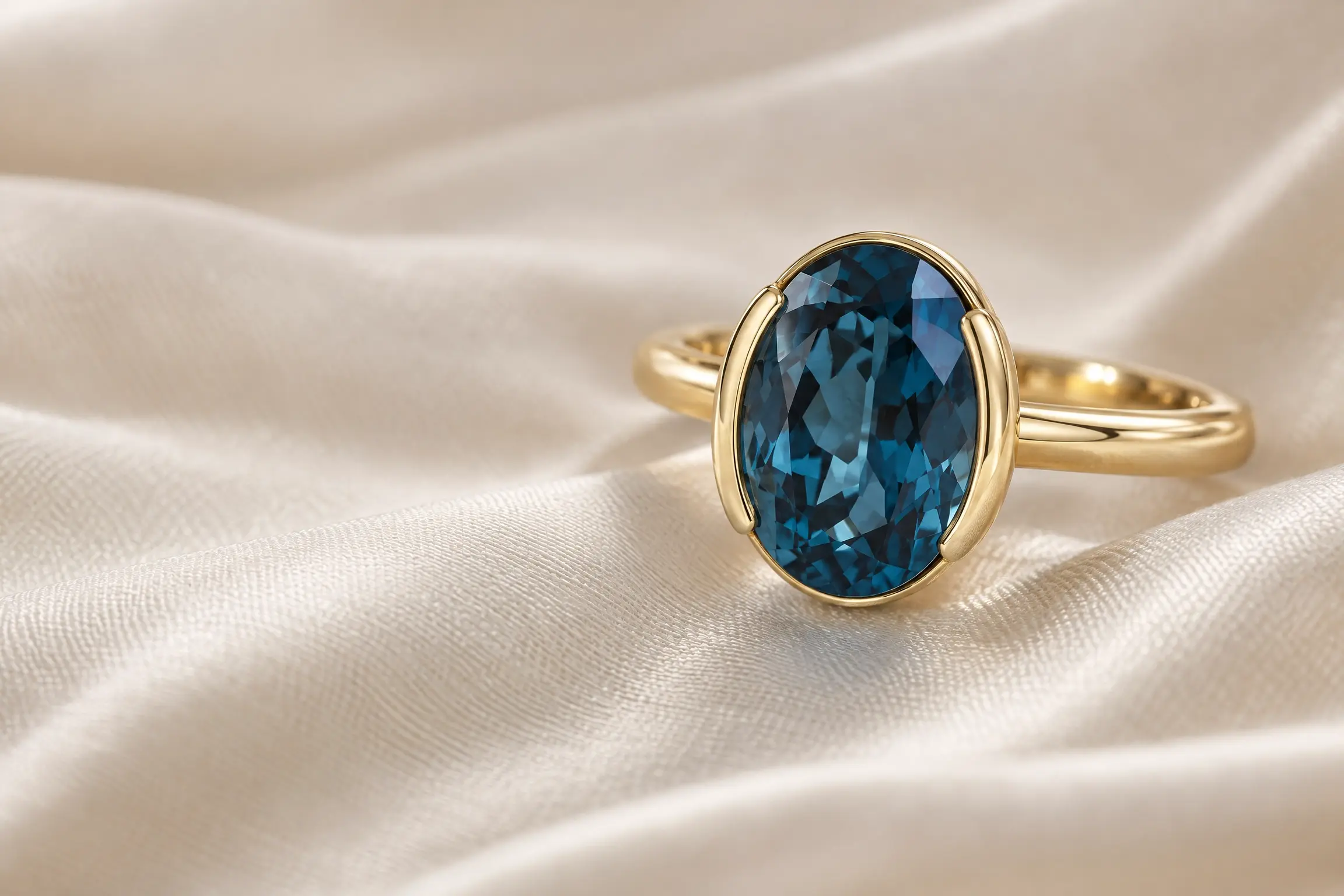
Is Blue Topaz a Good Choice for an Engagement Ring?
A blue topaz engagement ring offers a vivid alternative to a traditional diamond center stone. The color can range from pale, airy blue to saturated Swiss Blue or deep London Blue, and the gemstone is available in a wide range of shapes and sizes.
Topaz ranks 8 on the Mohs hardness scale, which measures resistance to scratching. However, hardness is not the same as toughness: topaz has a cleavage plane and can split or chip if it receives a hard impact. A protective setting, careful handling, and periodic checks by a jeweler can help reduce avoidable risk.
Blue topaz can suit regular wear when the wearer is mindful of its vulnerability to impact. If the ring will be worn during hands-on work, sports, or other activities where it may be struck, taking it off is a sensible precaution.
Understand the Blue Topaz Color Names
Blue topaz is commonly sold in three broad color styles. These are useful shopping descriptions rather than separate gemstone species or formal quality grades.
Sky Blue is a light, soft blue that can feel delicate and pair easily with a range of metals and clothing. Swiss Blue is typically brighter and more saturated, creating a noticeable pop of color. London Blue is generally deeper and darker, sometimes with a grayish tone, for a more dramatic look.
Color names are not always used identically by every seller. Compare the actual stone in natural-looking light, and ask for clear photographs or video if you are buying online. Screen settings and store lighting can change how blue a gem appears.
- Sky Blue: light and subtle.
- Swiss Blue: bright and saturated.
- London Blue: deep and dramatic.
Part 1 of 5 complete
Know Whether the Blue Color Is Treated
Most vivid blue topaz on the market began as colorless or lightly colored topaz and was changed to blue through irradiation followed by heat treatment. Naturally strong blue topaz is extremely rare.
Treatment is not automatically a reason to avoid a stone. It is important to know what you are buying, however, and the seller should disclose relevant treatments. Treated blue topaz color is generally stable under normal conditions, while high heat should be avoided. If the ring needs repair, tell the jeweler that the center stone is topaz.
- Ask whether the gemstone is natural topaz and whether its color has been treated.
- Check what treatment information appears on the invoice or product description.
- Ask whether the stone comes with a gem identification report or other documentation.
- Ask the seller about care and repair precautions.
What to Look for in a Blue Topaz
Choose a shade you enjoy wearing rather than selecting a stone only because its color name sounds premium. Compare the gem face-up in more than one lighting condition. Look for a color that appears reasonably even across the stone, while remembering that cut and lighting can create areas of brightness and shadow.
Cut influences how a blue topaz reflects light and how large it appears from above. Popular choices include oval, round, pear, cushion, and emerald cuts. A well-proportioned stone should look balanced in its setting, with facets that return light attractively and without an obvious see-through area, sometimes called a window.
Topaz is often available in larger sizes, so carat weight alone does not tell you how large the stone will look. Compare its face-up measurements in millimeters and consider how the shape will sit on the wearer’s hand.
Many faceted blue topaz gems appear clean to the unaided eye. Check the stone in close-up images and ask whether visible marks are inclusions within the gem or surface blemishes. Do not pay extra for a clarity label without understanding what it means for the particular stone’s appearance.
Choose a Setting That Helps Protect the Stone
Because topaz can chip or split from a hard blow, pay close attention to the setting. A bezel or partial bezel can shield part of the gem’s edge. A prong setting may show more of the stone, but the prongs should hold it securely and protect vulnerable corners where applicable.
The right balance depends on the stone’s shape, the ring’s construction, and how the wearer plans to use it. Ask a jeweler to check that the stone does not sit in a position where it is likely to strike hard surfaces and that the setting can be inspected and maintained.
Do not assume that a high Mohs hardness number makes the gemstone impact-proof.
Choose a Metal That Suits the Color and Lifestyle
White metals such as platinum or white gold can create a cool, crisp contrast with blue topaz. Yellow gold adds warmth, while rose gold can make the blue appear more striking through contrast. There is no single correct pairing; view the actual gem beside the metal color before deciding.
Also consider durability, allergies, maintenance, and budget when choosing a metal. The center stone and setting need to work together, so ask the jeweler how the chosen mounting protects the topaz and whether the ring will be practical for the wearer’s routine.
What Affects the Price of a Blue Topaz Engagement Ring?
The total price depends on more than the gemstone’s carat weight. Color, cut quality, face-up dimensions, setting materials, accent stones, craftsmanship, and the seller’s policies all contribute.
Blue topaz is widely available in treated colors, and large stones are common, so a larger carat number alone does not establish that a ring is rare or better made. Compare complete rings with similar metal, setting style, and stone dimensions.
Review the return window, resizing terms, warranty or service plan, and any treatment disclosure before purchasing. For an online order, make sure the listing gives measurements and photographs that let you judge the stone beyond its weight.
How to Care for a Blue Topaz Engagement Ring
Clean blue topaz gently with warm, soapy water and a soft brush, then rinse and dry it carefully. Avoid steam and ultrasonic cleaners. Also avoid sudden temperature changes and high heat, which can damage the gem.
Remove the ring before sports, heavy lifting, gardening, or hands-on tasks where the stone could be struck. Store it separately from other jewelry to reduce the chance of scratches or knocks. Ask a jeweler to inspect the setting periodically, especially if the ring is worn often, and tell any jeweler handling repairs that the gemstone is topaz.
- Use warm, soapy water and a soft brush for cleaning.
- Avoid steam cleaners, ultrasonic cleaners, and high heat.
- Remove the ring during activities where the stone could be struck.
- Store the ring separately from other jewelry.
- Have the setting checked periodically by a jeweler.
Blue Topaz vs. Blue Sapphire or Aquamarine
Blue topaz, blue sapphire, and aquamarine can all create a blue engagement-ring look, but they differ in appearance, durability, and price. Blue topaz is known for vivid shades and is typically treated to achieve strong blue color.
Sapphire is harder and generally better suited to frequent wear where knocks are possible, though it can cost more depending on quality. Aquamarine usually has a lighter, more transparent blue appearance. Compare the actual stones and their care needs rather than choosing by color alone.
The Best Blue Topaz Ring Balances Color and Protection
A blue topaz engagement ring can be a striking choice when you find a shade, cut, and setting that feel right. Before buying, confirm whether the color has been treated, compare the stone’s measurements and appearance, and ask how the setting protects it.
With realistic expectations about impact resistance and simple, gentle care, you can choose a ring that reflects your style and is suited to the way you plan to wear it.
Keep learning: read the Diamond Buying Guide, explore diamond shapes and the diamond 4Cs, browse comparisons, or see all buying advice.
Frequently asked questions
Is blue topaz durable enough for an engagement ring?
Blue topaz has a Mohs hardness of 8, but its cleavage means it can chip or split from a hard impact. It can be used in an engagement ring with thoughtful setting design and careful wear, but it is not as resistant to impact as the hardness number alone might suggest.
Is blue topaz naturally blue?
Naturally strong blue topaz is extremely rare. Most vivid blue topaz sold today has been treated, commonly through irradiation followed by heat treatment. Ask the seller to disclose any treatment.
Does treated blue topaz fade?
Blue topaz’s treated color is generally stable under normal conditions. High heat can still damage topaz, so tell a jeweler the stone is topaz before repair and follow the seller’s care instructions.
Which blue topaz is best: Sky, Swiss, or London Blue?
There is no universally best shade. Sky Blue is light, Swiss Blue is brighter, and London Blue is darker and more dramatic. Compare the actual stones in good lighting and choose the one that suits your taste.
Can I wear a blue topaz engagement ring every day?
You may choose to wear it regularly, but take it off during activities where the stone could be struck. Topaz can split or chip under hard impact, so a protective setting and routine jeweler inspections are worth considering.
How should I clean a blue topaz ring?
Use warm, soapy water and a soft brush. Avoid steam and ultrasonic cleaners, and keep the stone away from high heat and sudden temperature changes.
Related articles
Engagement Ring Shopping
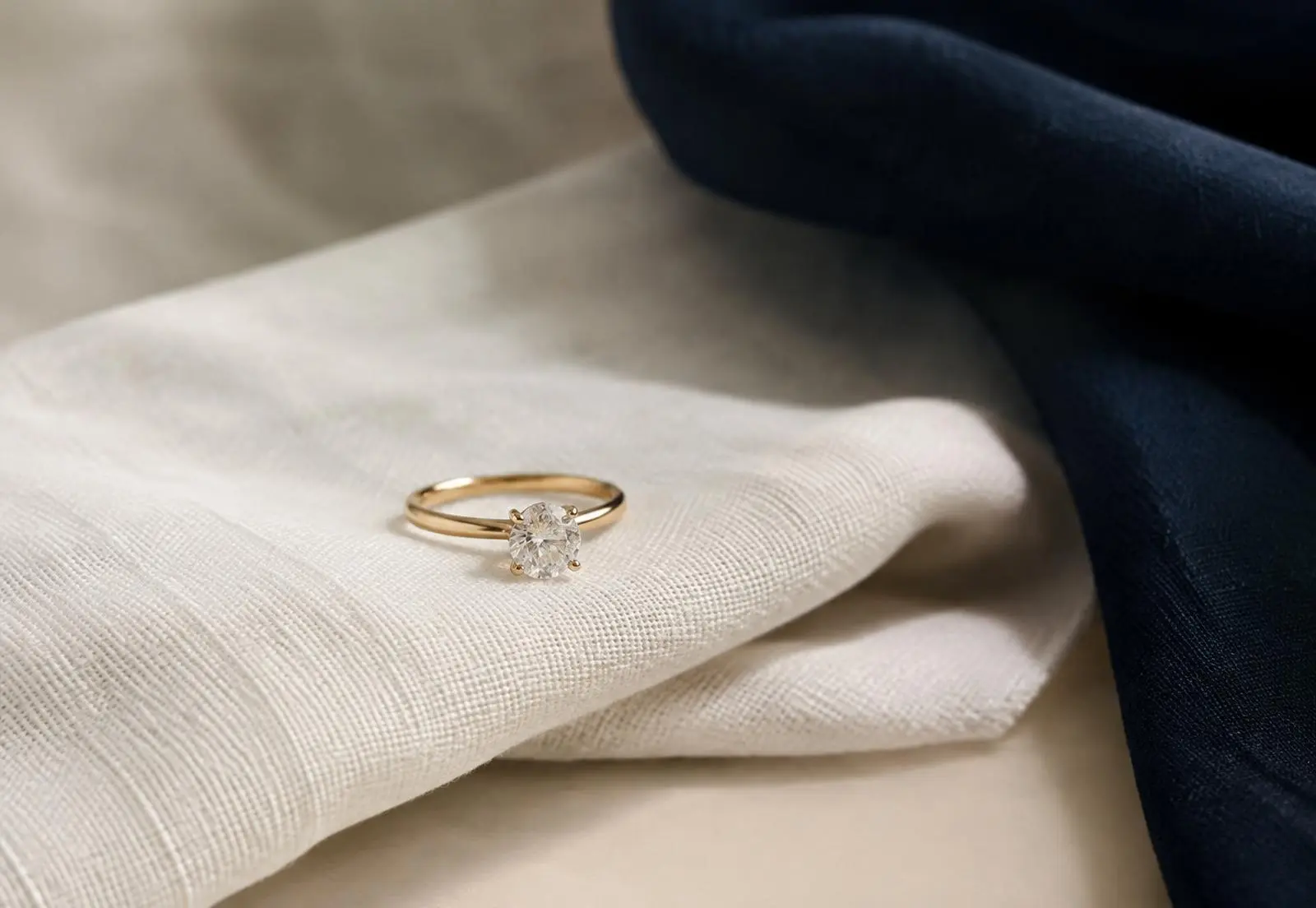
How to Choose an Engagement Ring: 5 Setting Styles Compared
Compare solitaire, halo, hidden halo, bezel and vintage-inspired settings by look, security, upkeep and total cost, then use a simple scoring framework to pick between your finalists.
Updated November 13, 2026
Diamond Education
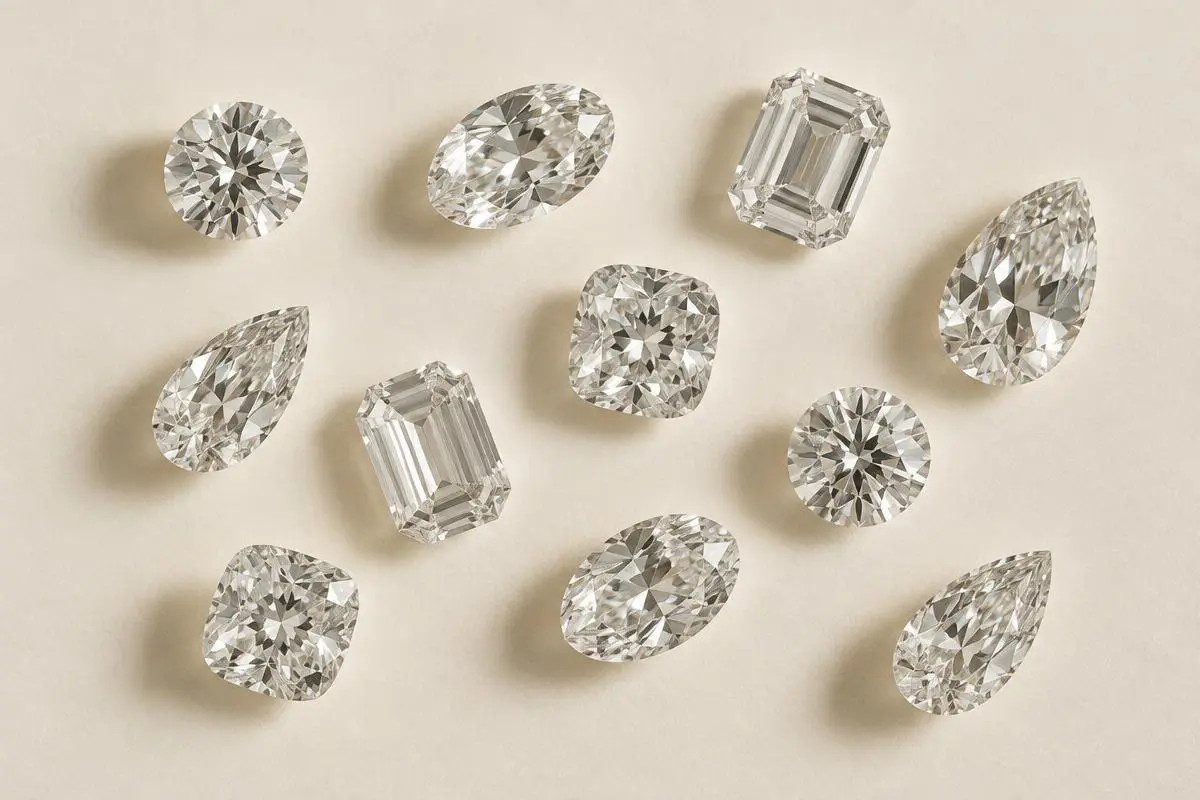
The 4Cs of Diamond Quality: A Practical Buyer's Guide
How cut, color, clarity and carat weight affect a diamond's look and price, and a step-by-step way to decide which grades are worth paying for.
Updated November 13, 2026
Jewelry Care
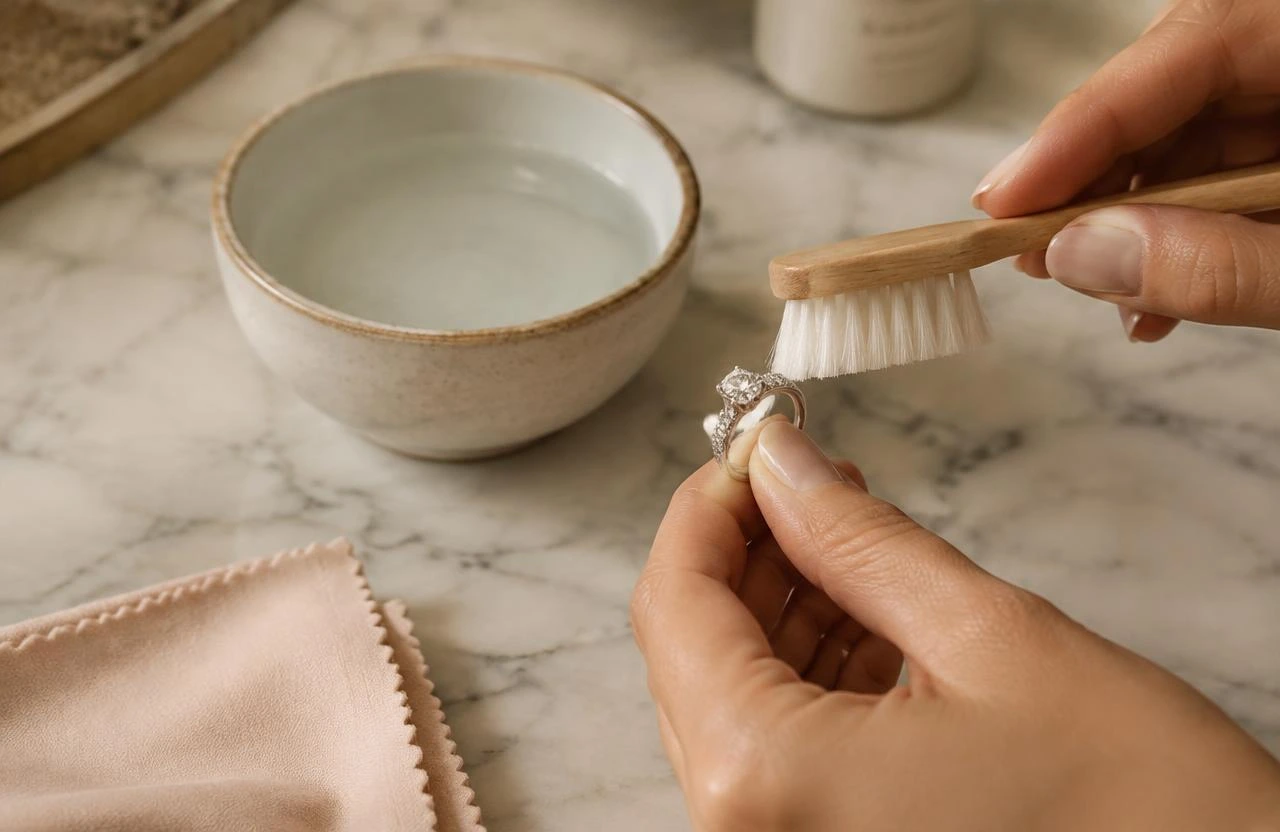
How to Clean a Diamond Ring at Home: 5 Simple Steps for More Sparkle
To clean a diamond ring at home, soak it in warm water with a little mild dish soap, gently brush the stone and setting with a soft toothbrush, rinse over a closed drain, and pat dry with a lint-free cloth.
Updated November 13, 2026