
Diamond Education
Oval vs Pear Diamond: Which Shape Is Right for Your Ring?
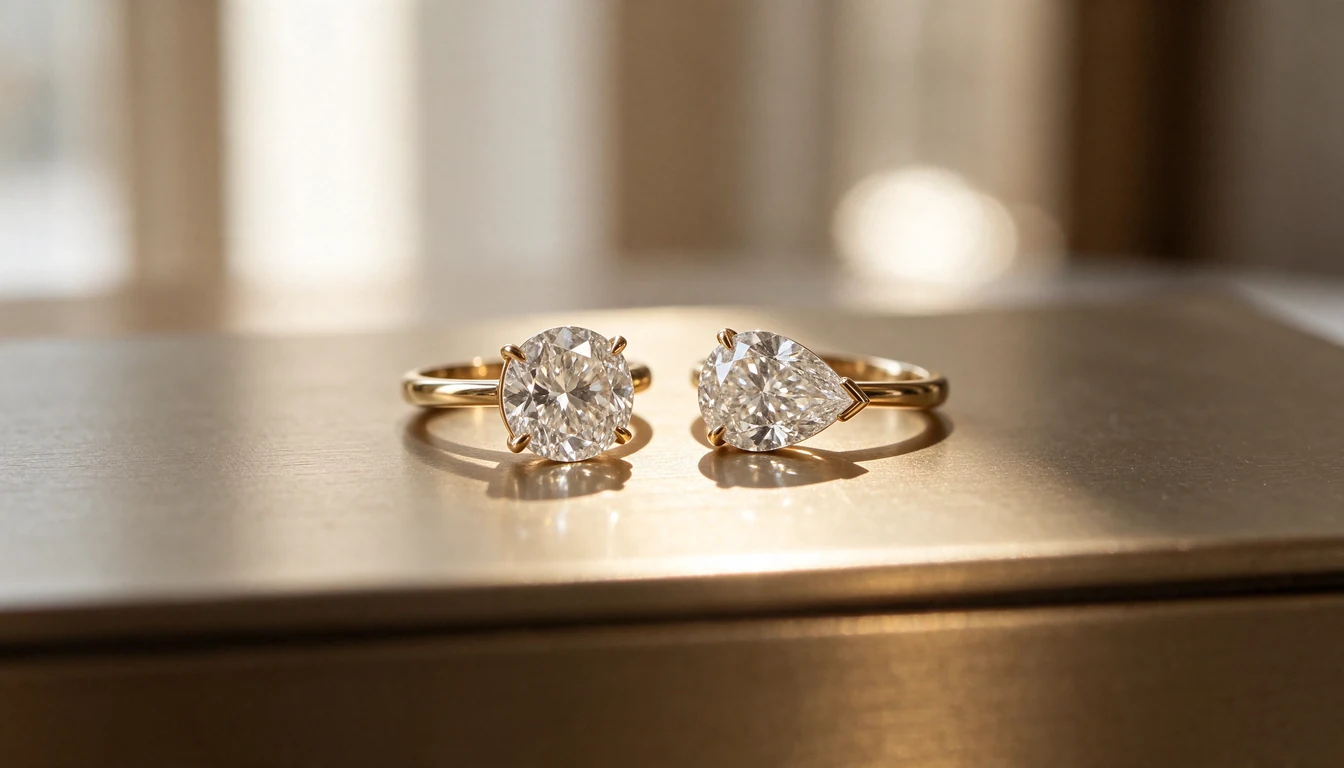
Oval and pear diamonds are both elongated brilliant cuts, but they differ in symmetry, durability, and settings. Compare them side by side before you choose.
By Ring Wisdom Editorial TeamPublished Updated
Affiliate disclosure: we may earn a commission from qualifying purchases through links in this article, at no extra cost to you. Learn more.
Introduction
Choosing between an oval and a pear is one of the most common dilemmas for ring shoppers. Both are elongated brilliant cuts that make the finger look longer and the stone look larger.
The differences show up in symmetry, durability, and everyday practicality. This oval vs pear diamond guide compares them so you can pick the shape that fits your style and budget.
Key Takeaways
Use these points as a quick summary before you read the details.
- The oval is symmetrical and has no sharp point, so it is easier to wear every day.
- The pear is a teardrop with one point that needs protection from chipping.
- Both shapes usually cost less per carat than a round brilliant.
- Most ovals and pears show some bow-tie, so check a video before buying.
- Choose the stone by ratio, symmetry, and cut quality, not by shape name alone.
Part 1 of 6 complete
Oval vs Pear Diamond: Quick Comparison
This table shows the main differences at a glance.
| Feature | Oval | Pear |
|---|---|---|
| Shape | Symmetrical, soft ellipse | Teardrop with a round end and one point |
| Ideal length-to-width ratio (GIA guidance) | About 1.33–1.66 | About 1.50–1.75 |
| Weak point | No sharp tip | The tip can chip |
| Bow-tie risk | Present in most stones | Common |
| Setting needs | Flexible | V-prong or bezel on the tip |
| Style | Classic and modern | Distinctive and romantic |
Pear Shape vs Oval Diamond: Shape and Style
The oval is a symmetrical, softly curved brilliant cut. It gives the fire of a round diamond in a more unusual outline.
The pear combines a rounded end with a single point, so it looks like a teardrop. Both shapes elongate the finger and face up larger than a round of the same carat weight.
The choice is partly about personality. The oval reads as elegant and timeless, while the pear stands out more and feels more unique.
Ratio Matters More Than the Shape Name
Both shapes come in a range of proportions. GIA suggests a length-to-width ratio of about 1.33 to 1.66 for ovals and about 1.50 to 1.75 for pears.
Some retailers narrow the oval sweet spot to 1.35–1.45, with 1.40 the most common ratio. A lower ratio looks rounder and a higher ratio looks slimmer.
Pick the look you like, then compare stones inside that range.
The Bow-Tie Effect in Ovals and Pears
A bow-tie is a dark, bow-shaped area across the middle of the stone. It appears in elongated cuts such as ovals, pears, and marquises, and most stones show it to some degree.
A faint bow-tie is normal. A heavy one makes the center look dull.
Bow-tie severity is not recorded on grading reports, so judge it visually. Ask for a 360° video or photos before you buy. For pears, ratios below about 1.55 tend to carry a lighter bow-tie.
Durability: Where the Oval Wins
An oval has no sharp corner, so it is easier to live with. The pear's point is its weak spot, and an unprotected tip can chip.
A V-prong or bezel on the tip protects the stone. With that protection, a pear is fine for daily wear.
Pear vs Oval Diamond Price
Both shapes usually cost less per carat than a round brilliant. Retailers quote different ranges: pears are often listed at 15–30% less than rounds, and ovals at roughly 23% less in some price comparisons.
Pears can offer the better value for size per dollar. Ovals tend to hold up better in resale value and market acceptance.
Prices change with color, clarity, and cut quality, so compare real stones instead of relying on averages.
Pear vs Oval Diamond Ring: Settings
Your setting choice differs slightly between the two shapes.
Oval Settings
Ovals work in solitaire, halo, hidden halo, and three-stone settings. They have no special protection requirements.
Pear Settings
Use a V-prong solitaire or a halo to protect the tip. A wedding band with a V-shaped notch sits flush against the pear's point.
A pear can also be set east-west for a more modern look.
Pear vs Oval Diamond Reddit: Common Buyer Questions
Buyers comparing pear vs oval diamond on forums usually come back to three questions.
- Which looks bigger? Both face up larger than a round of the same weight. A pear's wider body can look larger, depending on ratio.
- Which is safer for daily wear? The oval, because it has no point.
- Which will look dated? Ovals are very popular right now. Pears are less common, which some buyers see as a plus.
Which Should You Choose?
Choose an oval if you want a classic, versatile, low-maintenance stone that works with most settings.
Choose a pear if you want something distinctive and you are happy to protect the tip with a V-prong or bezel.
Whichever you pick, prioritize cut quality, symmetry, and a faint bow-tie over the certificate alone.
Compare the actual stones on video; the shape name tells you less than the proportions do.
Sources
- GIA, Purchasing Fancy Shaped Diamonds: https://4cs.gia.edu/en-us/blog/purchasing-fancy-shaped-diamonds-holiday-buying-guide
- Rêve Diamonds, Bow-Tie Effect: https://www.revediamonds.com/us/diamond-education/bow-tie-effect-oval-diamond
- Ouros Jewels, Oval vs Round and the Bow-Tie: https://au.ourosjewels.com/blogs/resources/oval-vs-round-diamond-does-the-bow-tie-effect-make-oval-diamonds-less-valuable
- Labgems, Bow-Tie in Oval, Pear & Marquise: https://labgems.com/blogs/lab-grown-diamonds/bow-tie-effect-oval-pear-marquise-lab-grown-diamonds
- StoneAlgo, Oval Cut Guide: https://cdn.stonealgo.com/blog/the-oval-cut-diamond-guide/
- Camellia, Pear Shaped Diamond Guide: https://www.camelliarts.com/blog/pear-shaped-diamond-guide/
- Whiteflash, Pear Cut: https://www.whiteflash.com/loose-diamonds/pear-cut
- Ken & Dana Design, Pear Cut Guide: https://shop.kenanddanadesign.com/pages/pear-cut-diamond-guide
- The Diamond Price, Shapes Compared: https://thediamondprice.com/compare/diamond-shapes/
- MVRaki, Oval vs Pear: https://mvraki.com/blogs/news/oval-cut-vs-pear-cut-diamond-guide
- Zizov Diamonds, Pear Settings: https://zizovdiamonds.com/blogs/news/the-pear-shape-diamond-the-teardrop-of-romance
Keep learning: read the Diamond Buying Guide, explore diamond shapes and the diamond 4Cs, browse comparisons, or see all buying advice.
Frequently asked questions
Is a pear or oval diamond cheaper?
It depends on quality, but both usually cost less per carat than a round. Compare stones with similar grades side by side.
Is a pear diamond less durable than an oval?
Yes, because of its point. A V-prong or bezel setting protects the tip.
Do both shapes have a bow-tie?
Most do to some degree. Choose a faint one by checking a video of the exact stone.
Related articles
Comparisons
Round vs Oval Diamonds
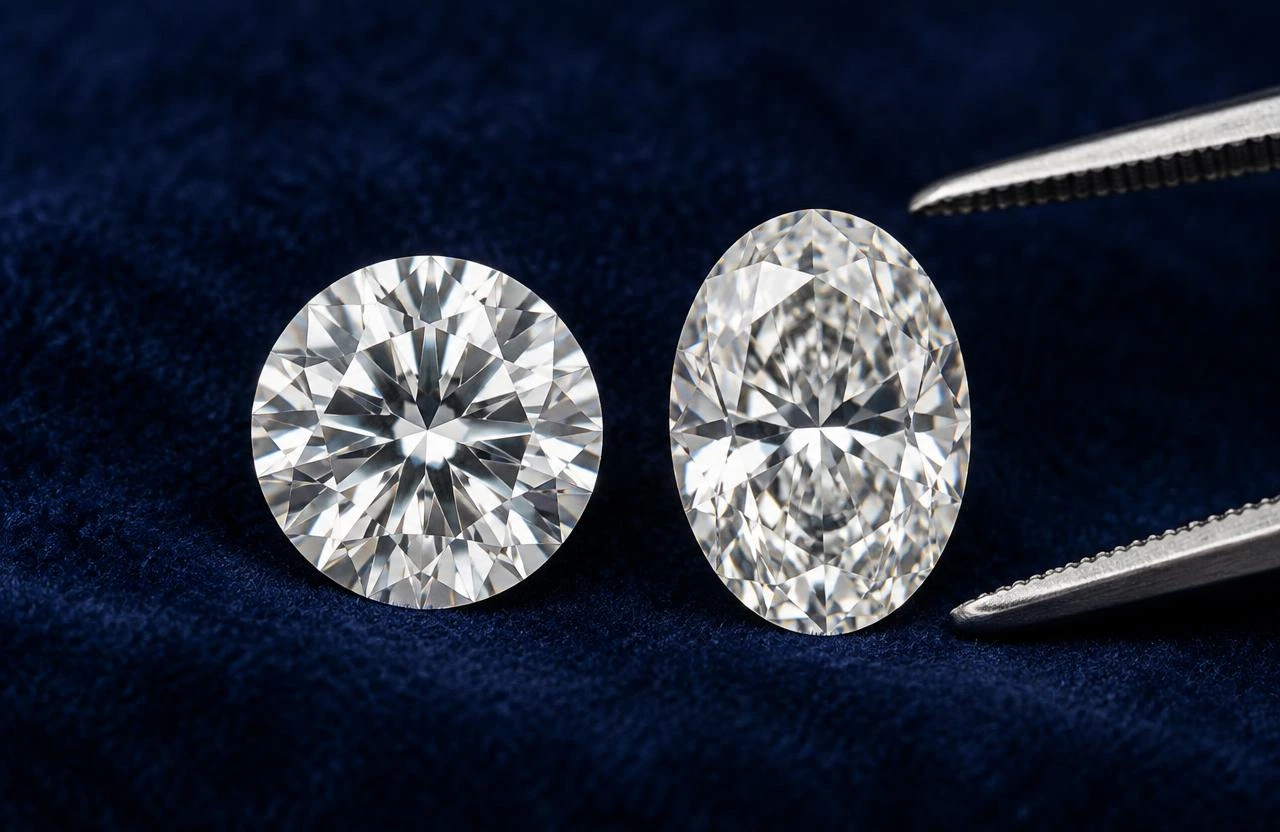
Round and oval diamonds compared on outline, sparkle, apparent size, proportions and the bow-tie shadow, with a decision framework and a checklist for judging the individual stone.
Updated November 13, 2026
Diamond Education
Oval Engagement Ring With Side Stones: Your Style Options
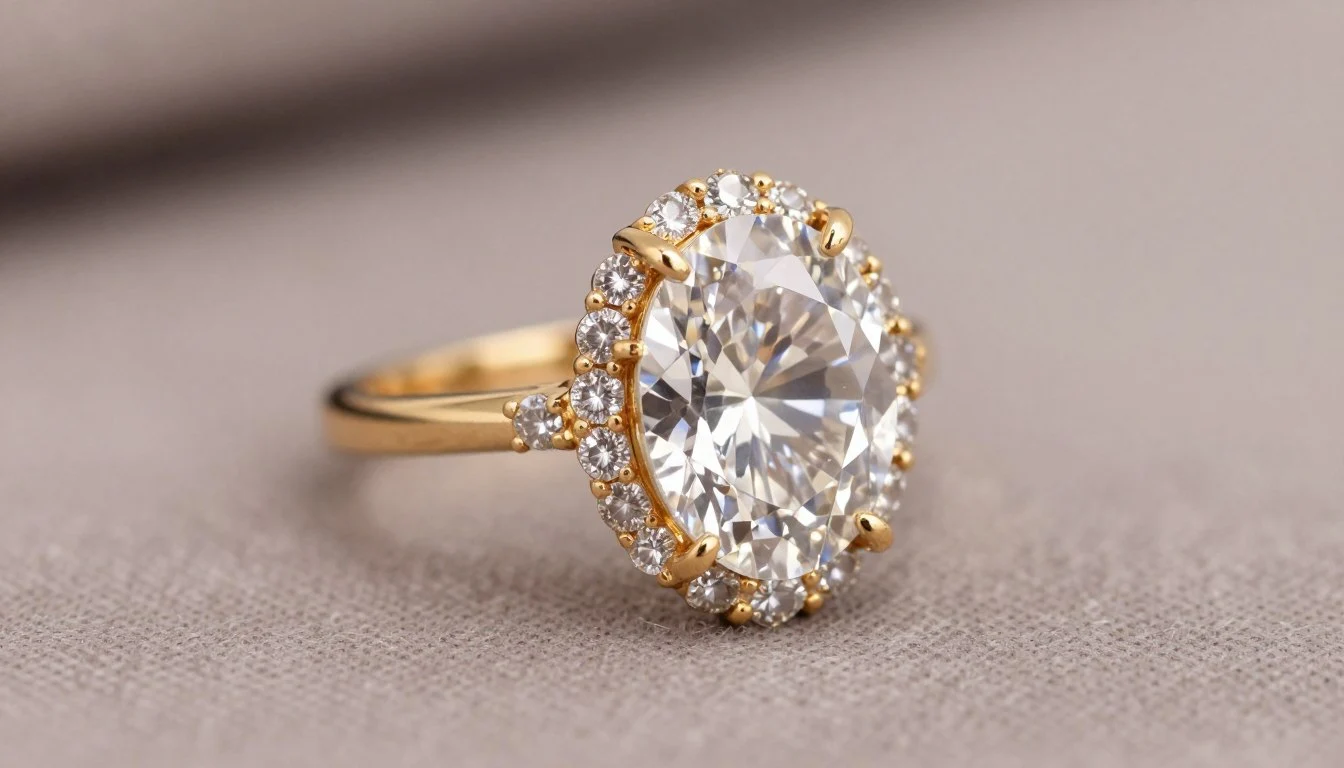
Explore side-stone shapes, diamond cuts, band profiles, and setting styles for oval engagement rings. Learn how to compare stone measurements and choose a balanced design.
Updated November 14, 2026
Diamond Education
Emerald vs. Radiant Cut: Differences, Sparkle & Cost
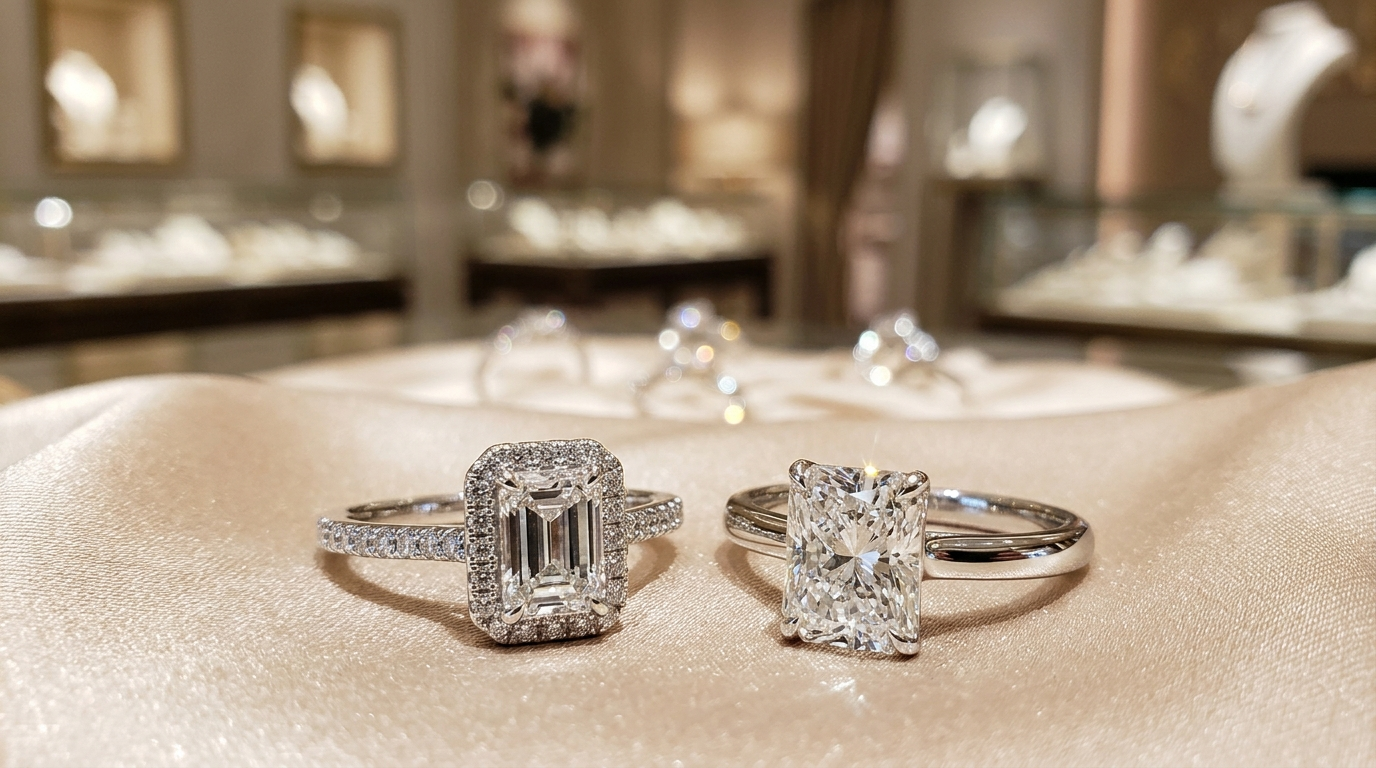
Compare emerald and radiant cut diamonds by sparkle, proportions, color, clarity, face-up size, and cost to find the style that suits your ring.
Updated November 9, 2026
Diamond Education
Diamond Color Chart: Compare Grades and Choose Yours
A higher color grade means less body color, but the right choice is the one that gives you the look you want in your setting and budget. Use this diamond color chart to compare D-to-Z grades before choosing your stone.
Updated November 15, 2026