
Diamond Education
Round Diamond Engagement Rings: How to Choose the Right One
A practical guide to comparing round brilliant diamonds, cut grades, face-up size, settings, and full-ring costs—plus a checklist for choosing with confidence.
By Ring Wisdom Editorial TeamPublished Updated
Introduction
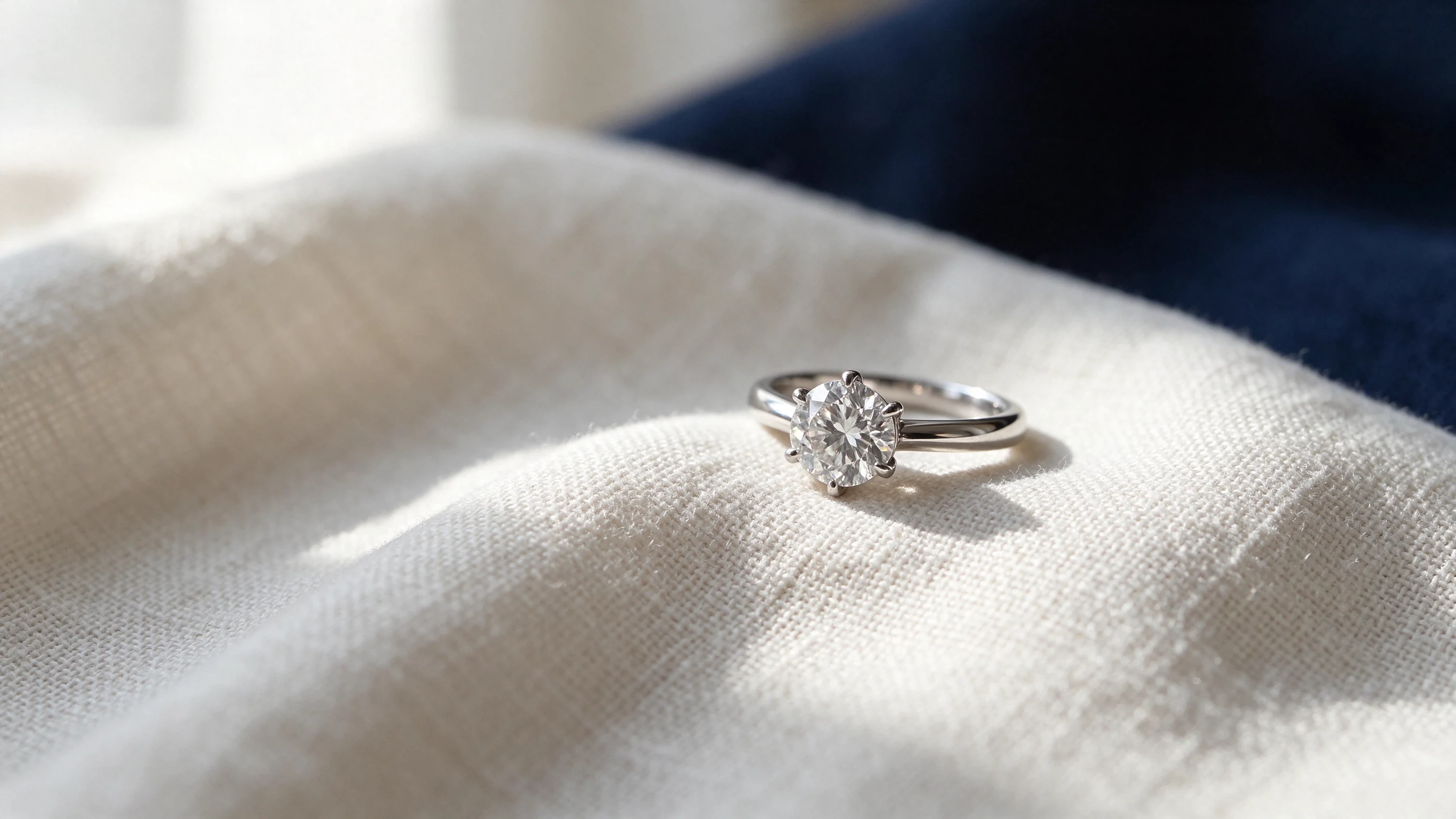
Round diamond engagement rings pair a circular center stone with a shape that works across classic and modern settings. But the word ‘round’ does not tell you whether a particular diamond will look bright, how large it will appear on a hand, or whether the finished ring suits the wearer.
The most useful approach is to compare the individual diamond, setting, and complete purchase—not just the carat number or a product photo. This guide explains what to look for, which trade-offs matter, and what to check before you buy.
What Is a Round Brilliant Diamond?
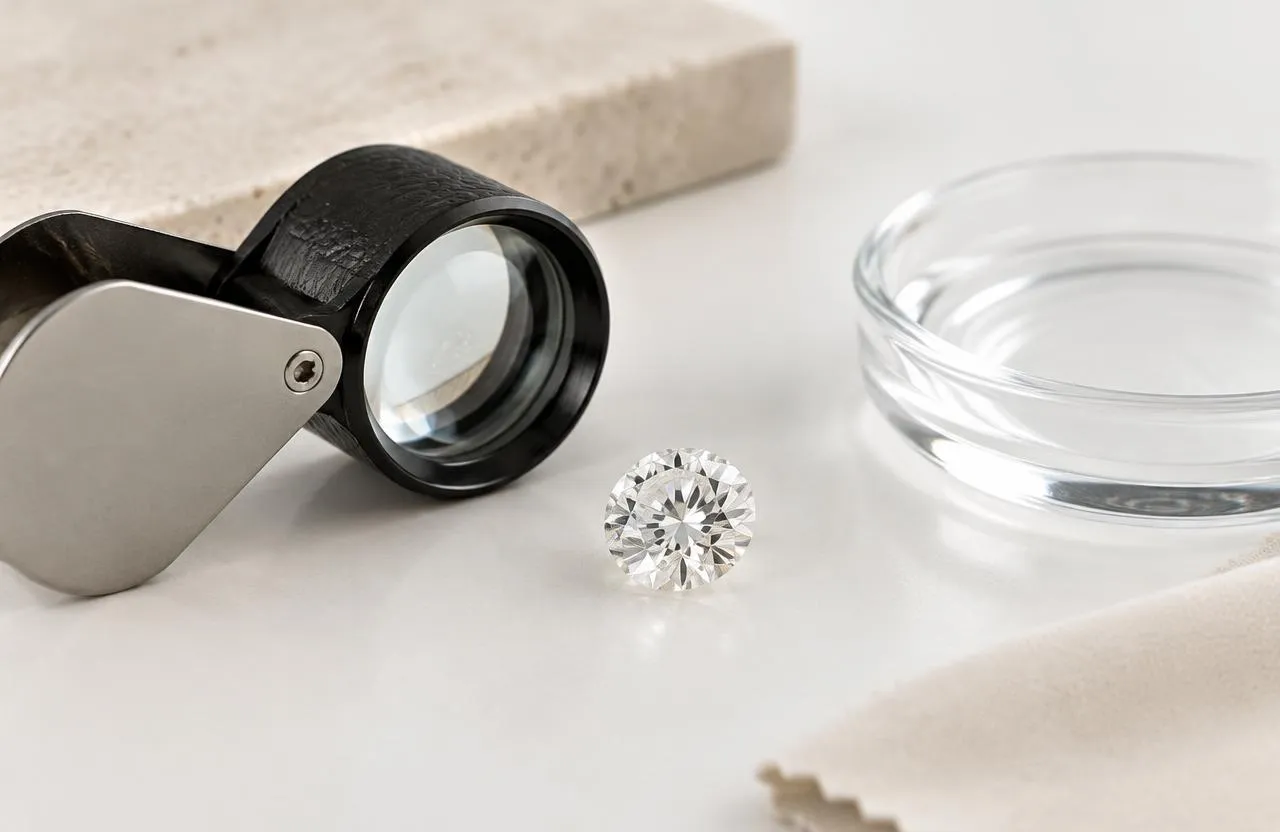
Most round diamond engagement rings use a round brilliant center stone. Viewed from above, it has a circular outline and a pattern of facets designed to return light to the viewer. A standard round brilliant generally has 57 or 58 facets, depending on whether it has a culet, the small facet at the bottom of the stone. [1]
‘Round’ describes the diamond’s shape. ‘Brilliant’ describes the facet arrangement. A round shape can be paired with different cutting styles, so check the listing and grading report rather than assuming every round diamond is a standard round brilliant.
The shape is also different from the setting. A round brilliant can be placed in a solitaire, halo, bezel, pavé, three-stone, or another design. The same center diamond can therefore look quite different from one finished ring to another.
Why Choose a Round Diamond Engagement Ring?
A round brilliant is a useful choice for shoppers who want a symmetrical outline and a familiar look that can work with many settings. Its circular shape does not have a pointed corner that needs special protection, and it can be shown plainly in a solitaire or framed by accent stones.
Choosing a popular shape does not remove the need to compare quality and price. A round diamond’s appearance still depends on its cut, proportions, color, clarity, and the way it is shown. Two round diamonds with the same carat weight can differ in face-up size and visual performance. GIA notes that cut quality depends on several factors, not a single measurement. [2]
Choose a round shape because you like its outline and appearance—not because a shape name guarantees that a stone will sparkle or suit every wearer.
How to Choose the Center Diamond
Compare the individual stone as well as the grades and measurements on its report. The following four checks can help you narrow your choices without treating any one number as a guarantee of appearance.
1. Start with the Cut Grade, Then Inspect the Diamond
For standard round brilliant diamonds, a GIA cut grade can help compare how a stone’s design and craftsmanship affect its face-up appearance. GIA’s scale runs from Excellent to Poor. Its evaluation considers brightness, fire, scintillation, weight ratio, durability, polish, and symmetry. [2]
A grading report is a useful starting point, not a substitute for looking at the actual diamond. If possible, view it in more than one lighting condition. Bright jewelry-store spotlights can make many stones look lively. Look for an even pattern of light and dark areas and pay attention to how the diamond appears when it moves. If you are shopping online, review the available still images and video and ask the seller for any missing views.
Do not judge a round diamond from one proportion number alone. The relationship among a diamond’s facets and proportions matters, and a report’s overall grade is more useful than treating a single table or depth percentage as a universal pass-or-fail rule. GIA’s cut system assesses multiple components together. [2]
2. Compare Face-Up Measurements, Not Carat Weight Alone
Carat is a unit of weight, not a direct measurement of how large a diamond looks from above. GIA defines one carat as 0.20 grams. [3] Two round diamonds with the same carat weight can have different measurements and proportions, which can change their apparent size.
When you compare stones, note the measurements in millimeters listed on their grading reports. Look at the face-up diameter as well as the carat weight. A diamond that carries more of its weight below the girdle may not look as large from above as another stone of the same weight.
A higher carat number is not automatically the better choice. Consider how the diamond looks in the finished setting and whether the complete ring fits your budget.
3. Choose Color With the Metal and Your Preferences in Mind
Color grades and metal color can affect how a finished ring looks. GIA’s D-to-Z scale describes the relative absence of color in diamonds, with D at the colorless end and increasing warmth toward Z. [3] The difference between neighboring grades may be subtle to many viewers, and the setting can affect the overall impression.
If you are choosing between two color grades, compare the stones side by side if possible and view them in a similar light. Also consider the metal you prefer. Rather than following a universal rule about which color grade to buy, decide whether you notice the difference and whether it matters for the finished ring.
4. Focus on Visible Clarity, Not Just the Highest Grade
Clarity grades describe inclusions and blemishes under magnification. They do not, by themselves, tell you whether a feature will be visible during normal wear. GIA evaluates clarity under 10× magnification. [3]
Ask for magnified images or video of the exact diamond you are considering. Check whether inclusions are visible to you at a normal viewing distance, whether they affect transparency, and where they sit in relation to the setting’s prongs. Do not rely on ‘eye-clean’ as an unexplained label; ask what the seller means and request a view of the individual stone.
A higher clarity grade may not make a visible difference to you. Compare the actual diamond and decide whether paying more for a higher grade is worthwhile within your overall budget.
Choose a Setting That Works With the Round Shape
The setting affects the ring’s appearance, how much of the center diamond is exposed, the band’s upkeep, and the way the ring sits on the hand. These are common options for a round center stone:
- Solitaire: Keeps attention on one center diamond and offers a simple outline. The stone’s appearance carries most of the visual focus.
- Halo: Places smaller diamonds around the center stone, changing the ring’s outline and adding detail. Small accent stones require periodic attention.
- Bezel: Holds the diamond with a rim of metal around its edge. It creates a more framed look and can cover more of the diamond’s side than a prong setting.
- Pavé or side stones: Add diamonds along the band or beside the center stone, creating more visual detail and additional stones to maintain.
- Three-stone: Places accent stones on either side of the round center. The proportions of the center and side stones affect the finished look.
Four Prongs or Six Prongs?
Four- and six-prong settings are both used with round diamonds. Four prongs can leave more of the stone’s outline visible, while six prongs create a different visual frame and provide an additional point of contact. The result depends on the setting’s construction and the individual ring.
Ask a qualified jeweler to explain how the prongs hold the stone, whether any part of the girdle is exposed, and how often the setting should be checked. Do not assume that the number of prongs alone guarantees security; condition, workmanship, and maintenance matter too.
Natural or Lab-Grown Round Diamond?
Both natural and laboratory-grown stones are diamonds, but they have different origins and can differ in price and market dynamics. Decide which origin you are considering before comparing prices, and make sure the retailer identifies it clearly in the product listing and sales documents.
Compare like with like: review the grading information, measurements, setting, and total ring price for each option. Do not assume that a lower price means the stones are identical in every relevant detail, or that either type is a guaranteed investment.
How to Compare the Complete Ring and Budget
A center-diamond price is not always the same as the total price you will pay for a finished ring. Ask for an itemized quote that identifies the center stone, setting, metal, accent stones, taxes, shipping, and any service charges. Also check whether resizing, cleaning, inspection, or a warranty is included and what the terms cover.
Set a comfortable maximum for the complete purchase before you compare options. Then compare rings with similar priorities. For example, if you want to understand the effect of the setting, compare the same or closely matched center diamond in two settings. If you want to compare stones, hold the setting and major diamond characteristics as similar as possible.
Current prices, inventory, and retailer policies can change. Confirm the total price and terms directly with the seller before paying.
Round Diamond Engagement Ring Checklist
Before you choose a ring, confirm the following. GIA recommends using a grading report as a reference for a diamond’s characteristics and provides a report-check service for reports issued by GIA. Verify a report through the issuing laboratory rather than relying only on a screenshot or a seller’s description. [3]
- Shape and style: Is the center stone a round brilliant, and do you like its appearance on the hand?
- Grading report: Is a report available from a recognized gemological laboratory? Does its report number and description match the listed stone?
- Cut and appearance: What does the report say about cut, and have you reviewed the actual stone in images, video, or in person?
- Measurements: Have you compared the diamond’s millimeter measurements as well as its carat weight?
- Color and clarity: Have you judged the individual stone in the setting and lighting you care about, rather than selecting grades in isolation?
- Setting: Do you understand how the stone is held, what maintenance it may need, and whether the design suits the wearer’s routine?
- Complete price: Does the written quote include the stone, setting, metal, taxes, and other charges?
- Purchase terms: Have you read the return, resizing, warranty, and shipping terms before ordering?
- Fit: Do you know the correct ring size, and can the specific design be resized if necessary?
- Documentation: Will you receive an itemized receipt and the grading report or other documents promised by the seller?
Final Thoughts
The best round diamond engagement ring is not simply the one with the highest carat weight or the most impressive product photograph. Choose a round brilliant whose appearance you enjoy, compare its report and measurements, select a setting suited to the wearer, and check the complete price and purchase terms in writing.
Sources
Each source below supports the specific statements noted. They do not review individual products or endorse our editorial guidance.
- [1] GIA: How to Select a Round Brilliant Cut Diamond Engagement Ring — Round brilliant anatomy, facet pattern, and buying considerations.
- [2] GIA: Diamond Cut Grade — Six Things You Need to Know — Cut-grade scale and factors evaluated for round brilliant diamonds.
- [3] GIA: Diamond Buyer’s Guide — Diamond quality factors, carat weight, grading reports, and report verification.
Keep learning: read the Diamond Buying Guide, explore diamond shapes and the diamond 4Cs, browse comparisons, or see all buying advice.
Frequently asked questions
Are round brilliant and round diamond engagement rings the same thing?
Not always. ‘Round’ describes the shape; ‘round brilliant’ describes a common facet arrangement used for round diamonds. Check the product description and grading report to confirm what the listing means.
Do round diamond engagement rings sparkle more?
A round brilliant is designed to return light through its facet pattern, but no shape label can guarantee how a particular diamond looks. Cut quality, the individual stone, and viewing conditions all matter. Review the stone itself rather than relying on the word ‘round.’ [1] [2]
What is the best cut grade for a round diamond?
There is no grade that can replace your own evaluation of the stone, but the grade on a laboratory report can help you compare standard round brilliant diamonds. Read the report, review the actual diamond, and compare it in more than one lighting condition. GIA’s cut scale for standard round brilliants ranges from Excellent to Poor. [2]
Does a round diamond look larger than an oval diamond?
The outline and face-up measurements differ. An oval can have a larger face-up surface area at the same carat weight, though the individual stone’s proportions matter. Compare millimeter measurements and try both shapes if you are undecided.
Which setting is best for a round diamond?
The right setting depends on the wearer’s style, daily routine, desired appearance, and maintenance preferences. A solitaire emphasizes the center stone, while a halo or side stones add detail. Compare the finished rings and ask how the specific design holds the diamond.
Should I buy a natural or lab-grown round diamond?
That depends on your preferences and budget. Compare the origin, grading details, actual stone, setting, and written total price. Ask the seller to identify the diamond’s origin clearly in the listing and sales documents.
Related articles
Diamond Education
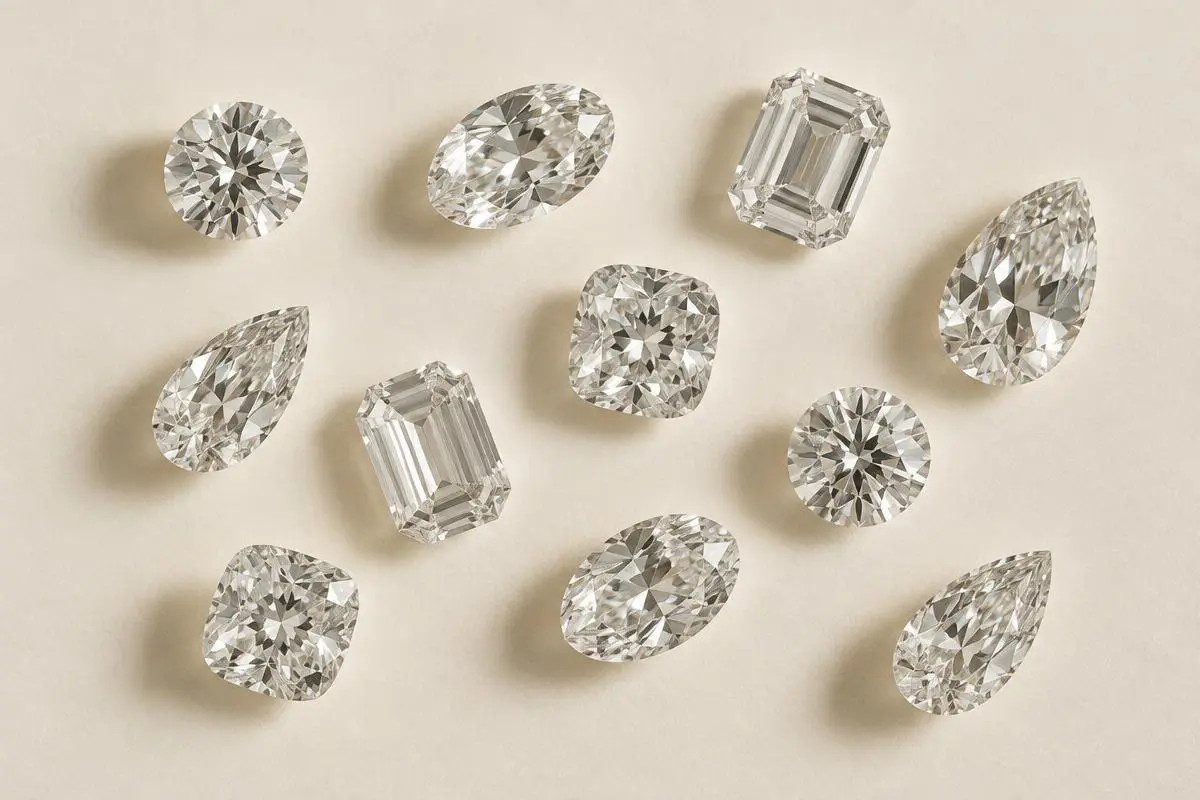
The 4Cs of Diamond Quality: A Practical Buyer's Guide
How cut, color, clarity and carat weight affect a diamond's look and price, and a step-by-step way to decide which grades are worth paying for.
Updated November 13, 2026
Engagement Ring Shopping
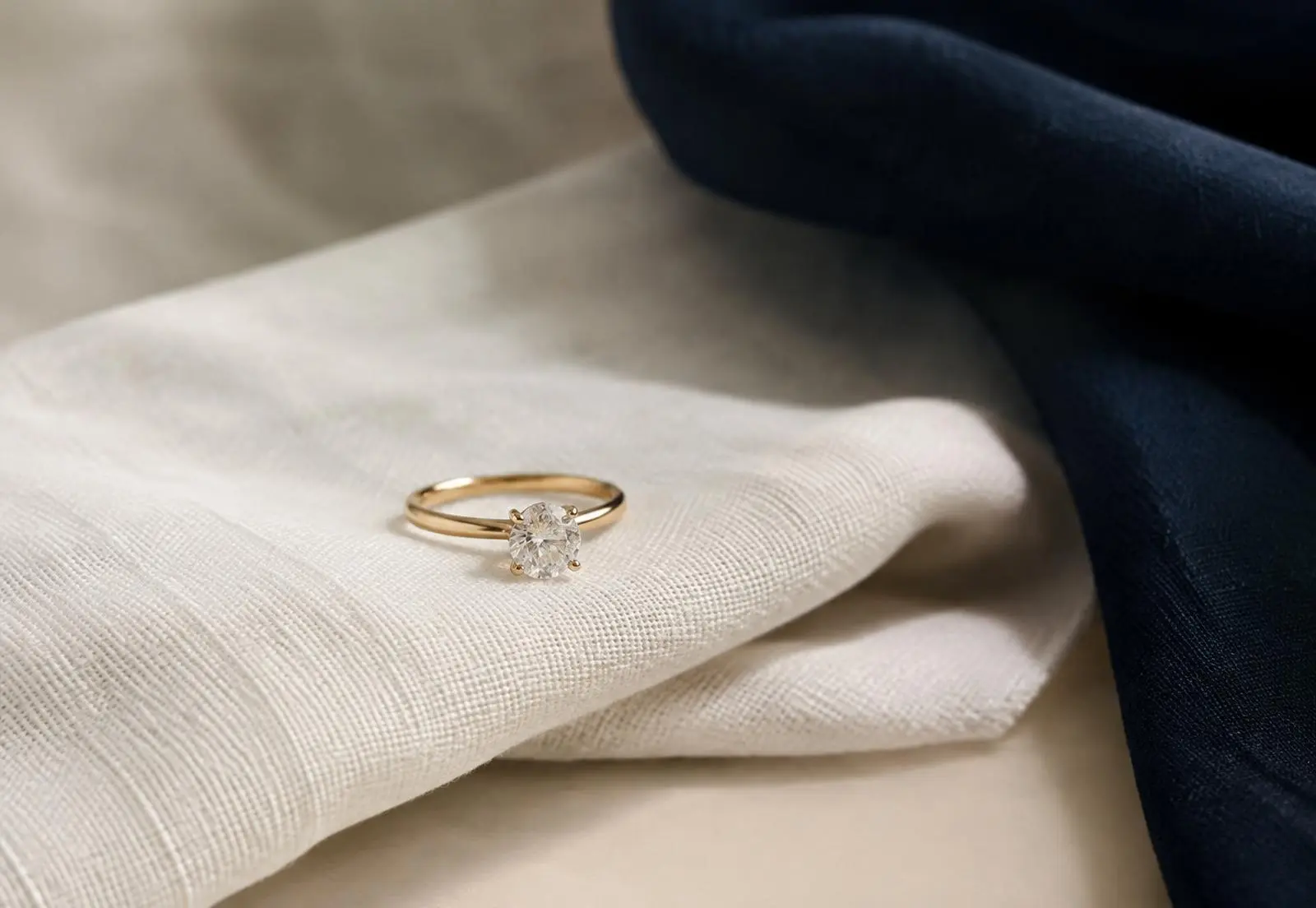
How to Choose an Engagement Ring: 5 Setting Styles Compared
Compare solitaire, halo, hidden halo, bezel and vintage-inspired settings by look, security, upkeep and total cost, then use a simple scoring framework to pick between your finalists.
Updated November 13, 2026
Comparisons
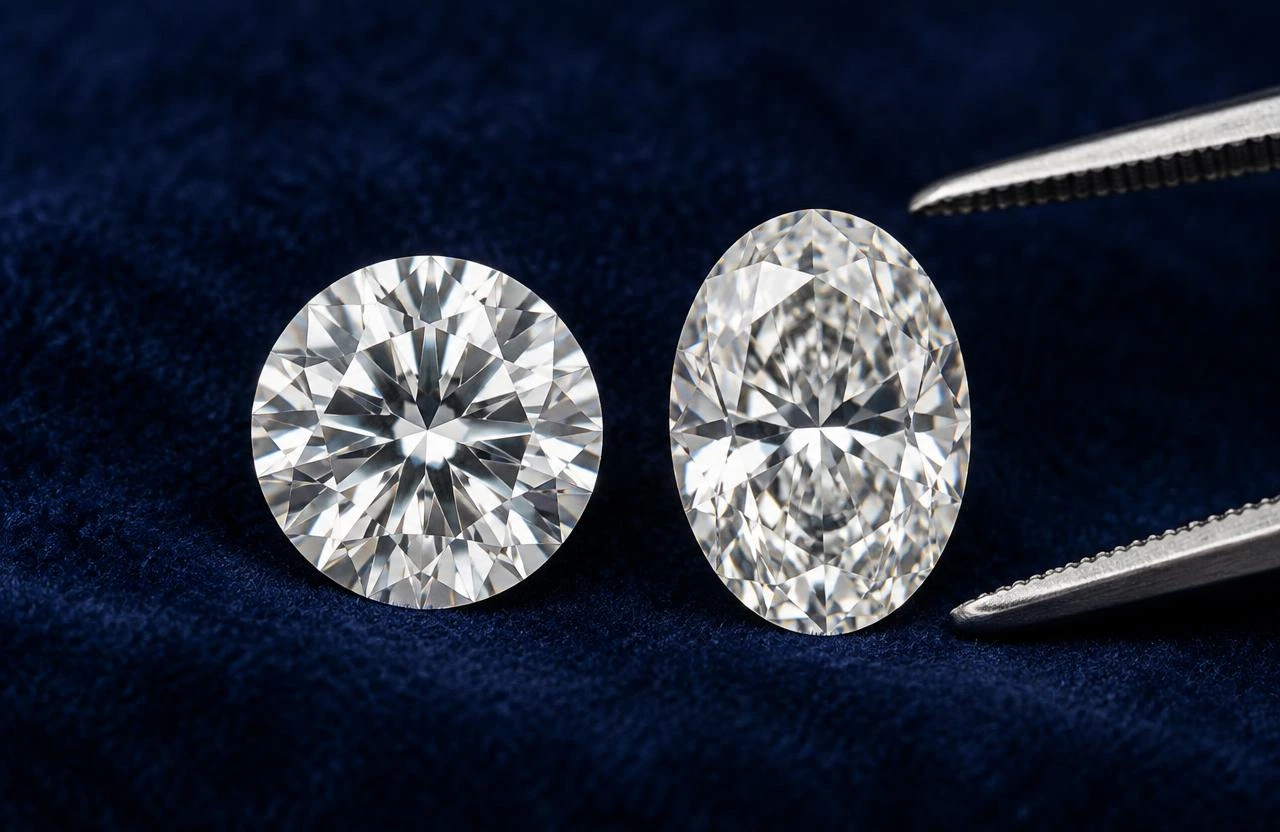
Round vs Oval Diamonds
Round and oval diamonds compared on outline, sparkle, apparent size, proportions and the bow-tie shadow, with a decision framework and a checklist for judging the individual stone.
Updated November 13, 2026
Comparisons
Natural vs Lab-Grown Diamonds
Compare natural and lab-grown diamond rings by origin, how they are graded and disclosed, individual diamond quality, and complete cost—not marketing claims alone.
Updated November 13, 2026
Budget Planning
How Much Should You Spend on a Ring? A Practical Budget Guide
Learn how to create a realistic engagement ring budget, compare natural and lab-grown diamonds, understand setting costs and avoid expensive financing mistakes.
Updated November 11, 2026