
Diamond Education
Simple Elegant Engagement Rings: Timeless Styles and How to Choose
Discover simple, elegant engagement ring styles—from classic solitaires to refined bezels—and learn how to compare diamond shape, setting, metal, and quality before you buy.
By Ring Wisdom Editorial TeamPublished Updated
Affiliate disclosure: we may earn a commission from qualifying purchases through links in this article, at no extra cost to you. Learn more.
Key Takeaways
“Simple” and “elegant” describe personal style, not official diamond grades. A clean design can come from a solitaire, a slim bezel, a refined band, or another setting that keeps attention on the center stone.
- Choose a design that suits the wearer’s taste and everyday routine.
- Compare the whole ring, including its side profile and setting details.
- Shape describes a diamond’s outline; cut describes its proportions and facet arrangement.
- Review the center stone’s grading information and the exact materials used.
- Ask for the complete price and written details before deciding.
What Makes an Engagement Ring Simple and Elegant?
A simple, elegant engagement ring usually has a clear focal point, balanced proportions, and details that feel intentional rather than crowded. That could mean one center stone on a plain band, a smooth bezel around the stone, or a small accent that does not compete with the main design.
There is no single setting or diamond shape that defines elegance. A round brilliant may feel classic to one person, while an emerald cut or oval may better suit another person’s preferences. The best choice is the one that looks at home with the wearer’s style.
Think about the ring as a complete object. The center stone, setting, band profile, metal color, and side view all contribute to its appearance. A design that looks minimal from above may have more detail along the sides.
Start by noticing the jewelry the wearer already chooses. Consider whether they prefer clean lines, vintage details, warm or cool metal colors, and jewelry that sits close to the hand. Those observations can guide the shortlist without relying on trends alone.
Part 1 of 6 complete
Simple Engagement Ring Settings to Consider
A setting is the metal structure that holds the gemstone, while a style describes the ring’s overall design. The setting affects how the stone is displayed and protected, so it is worth comparing the actual construction rather than relying only on a style name.
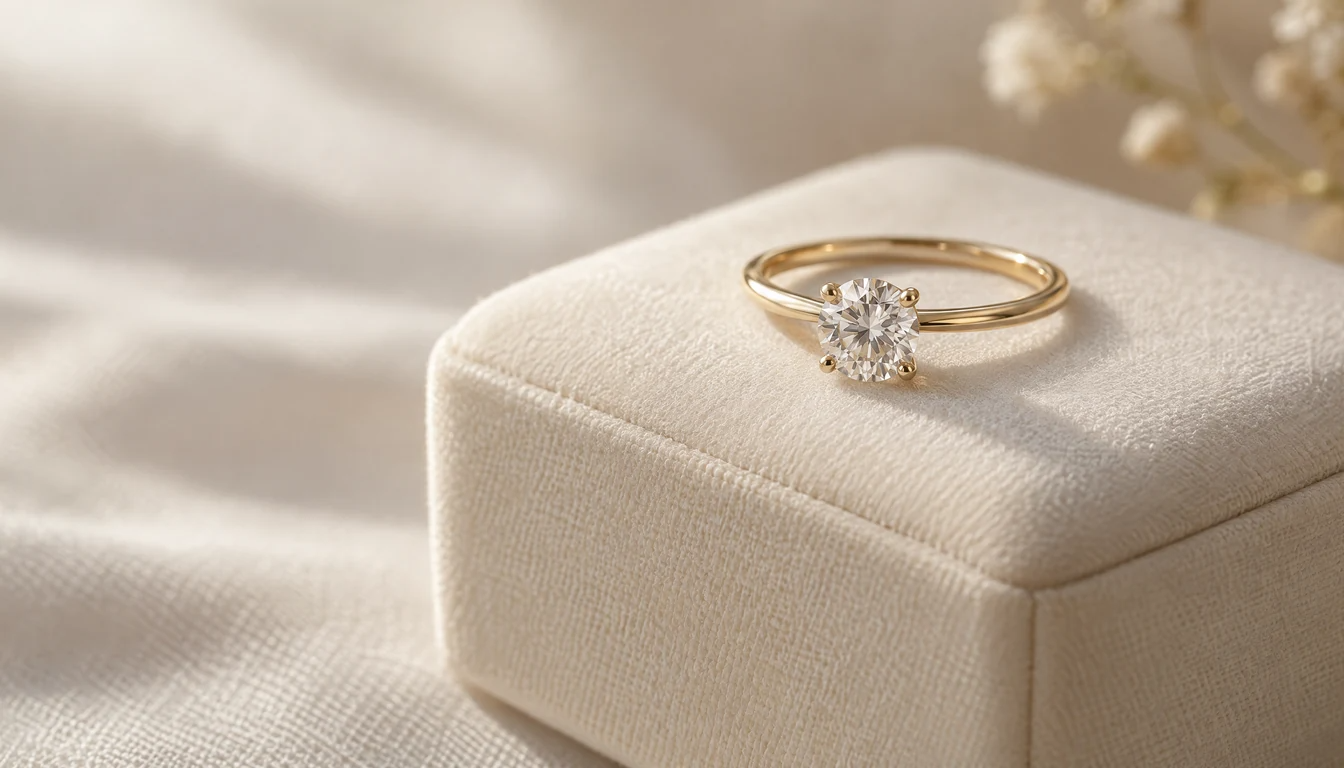
A solitaire places the focus on one center stone. Its uncluttered design makes the stone’s shape and appearance easy to notice, and it can be paired with different band widths and prong styles.
A bezel setting uses a rim of metal around all or part of the stone’s edge. It creates a defined outline and a streamlined look. A full bezel encircles the stone; a partial bezel leaves part of its edge visible.
A low-profile or flush setting can suit someone who prefers a ring that sits closer to the finger. Flush settings place the stone level with the band, and may require a wider or thicker band to accommodate the stone’s depth.
A hidden halo or a few small side stones can add detail while keeping the design relatively restrained. These are still accents, so compare the ring from above and from the side to see how prominent they look.
GIA distinguishes the way a gemstone is secured—such as prongs or a bezel—from the broader setting style, such as a solitaire or three-stone design. The same overall style can use different structures.
- Solitaire: one center stone with a clean, focused silhouette.
- Bezel: a metal border around all or part of the center stone.
- Flush: a stone set level with the surface of the band.
- Hidden halo or subtle side stones: small details that add interest without replacing the center as the focal point.
Choose a Diamond Shape That Fits the Look
Shape describes a diamond’s outline when viewed from above. Cut style describes how its facets are arranged. The terms can overlap in names such as “emerald cut,” but shape and facet pattern are not interchangeable concepts.
Round brilliant is a familiar choice for a classic look. Oval and pear shapes create elongated outlines, while emerald cuts have a more geometric outline and step-like facets. These are visual descriptions, not rankings of quality.
Brilliant-cut facets and step-cut facets interact with light differently. A brilliant pattern uses many smaller facets, while a step pattern has broader, more orderly facets. If you are considering an emerald or Asscher style, view the stone in person or in clear video rather than judging it only from a product name.
GIA’s standard cut-grade scale applies to standard round brilliant diamonds. Do not assume that a fancy shape such as oval, pear, or emerald has the same GIA cut grade. For fancy shapes, compare the actual appearance, proportions, symmetry, and available report information.
Look at the diamond under more than one kind of lighting if possible. Strong jewelry-store spotlights can make many stones look especially bright; viewing in ordinary indoor light can give you another perspective on its appearance.
Understand the Diamond’s Quality Information
For a diamond, the 4Cs are cut, color, clarity, and carat weight. They describe different characteristics, and the right balance depends on which qualities matter most to the buyer.
Cut concerns the stone’s proportions, finish, and interaction with light. Color describes the presence or absence of color in the graded range. Clarity describes internal features and surface blemishes. Carat is a unit of weight, not a direct measurement of a diamond’s visible dimensions.
Compare grading information for the same type of stone and read the report rather than relying only on a sales description. Ask the jeweler to explain what the report covers and how the listed characteristics relate to the diamond you are viewing.
If you are comparing a laboratory-grown diamond with a mined diamond, make sure the origin is clearly stated. The FTC advises sellers to distinguish laboratory-grown diamonds from mined diamonds, and to identify imitation or simulated products as such. Check the current grading or identification report and its terminology for the specific stone.
A higher grade in one characteristic does not automatically make a ring the best choice for you. Compare the diamond in person or through reliable viewing materials, and decide which visible qualities matter within your budget.
- Cut: proportions, finish, and interaction with light.
- Color: the diamond’s position on the applicable color scale.
- Clarity: internal features and surface blemishes.
- Carat weight: the diamond’s weight, not its face-up measurement.
- Origin: confirm whether the stone is mined, laboratory-grown, or an imitation.
Choose the Metal and Band
Yellow gold, white gold, rose gold, and platinum create different visual effects. Compare the metal color with the wearer’s existing jewelry and with the center stone. A simple band can still feel distinctive through its color, finish, or profile.
Gold karat indicates the proportion of gold in the alloy. In the United States, 18K gold contains 18 parts gold out of 24, while 14K contains 14 parts gold out of 24. Pure 24K gold is soft, so gold used for jewelry is commonly mixed with other metals.
For U.S. purchases, the FTC advises shoppers to check the karat quality mark and the responsible maker’s name or registered trademark. Platinum marking also depends on the amount and type of platinum in the item. Marking conventions can differ by country, so check the rules that apply where you are buying.
Band width and profile can change the visual balance of the ring. A narrow band may make the center stone more prominent; a wider band has more presence of its own. Try the ring on if possible and consider how it feels beside a wedding band.
Ask whether white gold has a rhodium finish and what care the seller recommends. The finish and maintenance requirements can affect how the ring looks over time.
Consider Fit and Everyday Wear
The ring should feel comfortable as well as look appealing. Ask about the wearer’s ring size, whether their fingers change size in different conditions, and whether the band can be resized. Resizing options depend on the design and the materials.
Compare how high the center stone sits and whether prongs or other details catch on clothing. A bezel or flush setting has a different profile from a raised prong setting. Each construction has trade-offs, so choose based on the wearer’s routine rather than assuming one setting is right for everyone.
If the engagement ring will be worn with a wedding band, try the two rings together or ask to see them side by side. The setting can affect whether a straight band sits flush; a curved or custom band may be another option.
Ask the jeweler how the ring should be cleaned and inspected. Prongs and small accent stones may need periodic checks. Follow care instructions for the specific metal and setting.
Set a Budget and Compare Complete Rings
There is no universal price for a simple, elegant engagement ring. The center stone, its reported characteristics, the metal, setting construction, and any accent stones can all affect the final price.
Set a comfortable maximum for the complete ring, then compare options with similar stone specifications and materials. A lower starting price may not include the same center stone, metal, or setting details as another listing.
Ask for an itemized description of what is included: center-stone type and specifications, setting metal, accent stones, resizing, taxes or additional fees, return terms, and any grading report. That makes it easier to compare like with like.
If a seller uses phrases such as “diamond,” “laboratory-grown,” “simulated,” or “gold,” ask what those terms mean for the exact item. Request the details in writing and review the seller’s return policy before purchase.
- Choose a maximum total price before browsing.
- Compare rings with similar center-stone details and metal.
- Confirm whether the displayed price includes the setting and accents.
- Review the grading or identification report and return terms.
- Ask for the item’s materials and specifications in writing.
A Simple Buying Checklist
A short checklist can help keep the decision focused on the wearer and the complete ring rather than on marketing language or a single specification.
- Choose the overall look: solitaire, bezel, flush, or understated accents.
- Compare the center stone’s shape and actual appearance.
- Review the report and confirm the stone’s origin.
- Choose the metal and check its quality markings where applicable.
- Check size, comfort, setting height, and wedding-band fit.
- Compare the full price, included items, care needs, and return policy.
Conclusion
A simple, elegant engagement ring does not have to follow one template. The strongest choice is a design that feels right to the wearer and brings the center stone, setting, and band together in a balanced way.
Shortlist a few complete designs, compare them in ordinary lighting, and review the written details before buying. A clean silhouette is a useful starting point; comfort, accurate stone information, and the wearer’s own preferences should guide the final choice.
Sources and Further Reading
Gemological Institute of America (GIA), “GIA Guide to Engagement Ring Settings”: https://4cs.gia.edu/en-us/blog/guide-to-ring-settings
GIA, “Guide to Diamond Shapes for Engagement Rings”: https://4cs.gia.edu/en-us/blog/guide-diamond-shapes-engagement-rings/
GIA, “Diamond Cut”: https://4cs.gia.edu/en-us/diamond-cut/
GIA, “10 Tips for Buying a Diamond Engagement Ring”: https://4cs.gia.edu/en-us/blog/tips-for-buying-an-engagement-ring/
U.S. Federal Trade Commission (FTC), “Buying Platinum, Gold, and Silver Jewelry”: https://consumer.ftc.gov/articles/buying-platinum-gold-and-silver-jewelry
FTC, “In the Loupe: Advertising Diamond, Gemstones and Pearls”: https://www.ftc.gov/business-guidance/resources/loupe-advertising-diamond-gemstones-pearls
Keep learning: read the Diamond Buying Guide, explore diamond shapes and the diamond 4Cs, browse comparisons, or see all buying advice.
Frequently asked questions
What is a simple elegant engagement ring?
It is a style description rather than a formal jewelry grade. It often means a balanced design with a clear focal point and restrained details, but the right look depends on the wearer’s taste.
Which setting is the simplest for an engagement ring?
A solitaire is a classic minimal option because it focuses on one center stone. Bezel and flush settings can also look clean and streamlined. Compare the actual ring’s construction and profile, not just its style label.
What is the difference between diamond shape and cut?
Shape describes the diamond’s outline when viewed from above. Cut style describes how its facets are arranged. GIA’s standard cut-grade scale applies to standard round brilliant diamonds, not to every fancy shape.
Is a higher-carat diamond always visibly larger?
No. Carat measures weight, not the diamond’s face-up dimensions. Compare the stone’s measurements and appearance, as well as its proportions and setting.
How do I compare mined and laboratory-grown diamonds?
Confirm the origin and review the report or identification information for each stone. The FTC advises sellers to clearly distinguish laboratory-grown diamonds from mined diamonds, and to identify imitation or simulated products as such.
What should I check before buying a gold engagement ring?
Check the karat quality mark, the seller’s written description, the ring’s materials, and the return policy. In the United States, the FTC advises looking for the karat mark and the responsible maker’s name or registered trademark.
Related articles
Diamond Education
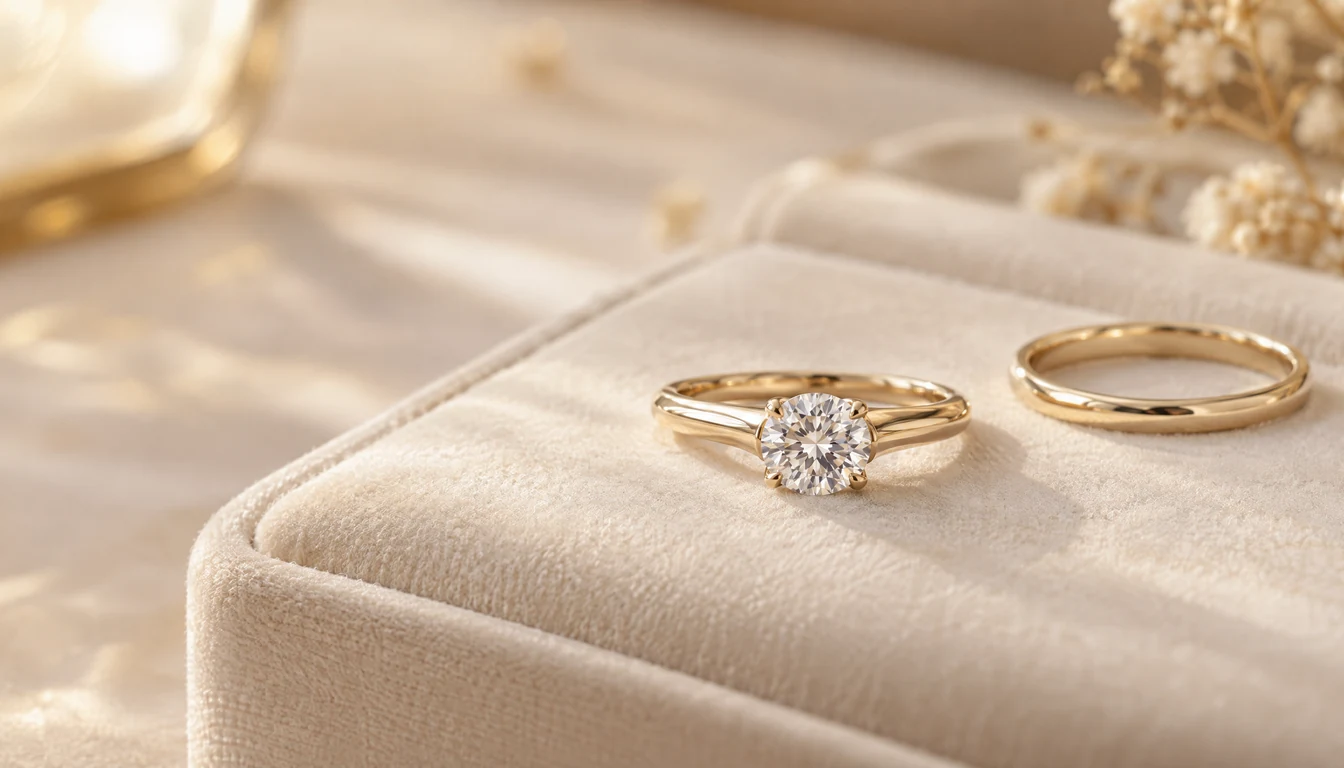
Low Profile Engagement Rings: Compare Styles and Prices
Compare low-profile engagement ring styles, starting prices, wedding-band fit, and setting details. Learn what to check for comfort, stone clearance, security, and everyday care.
Updated November 14, 2026
Diamond Education
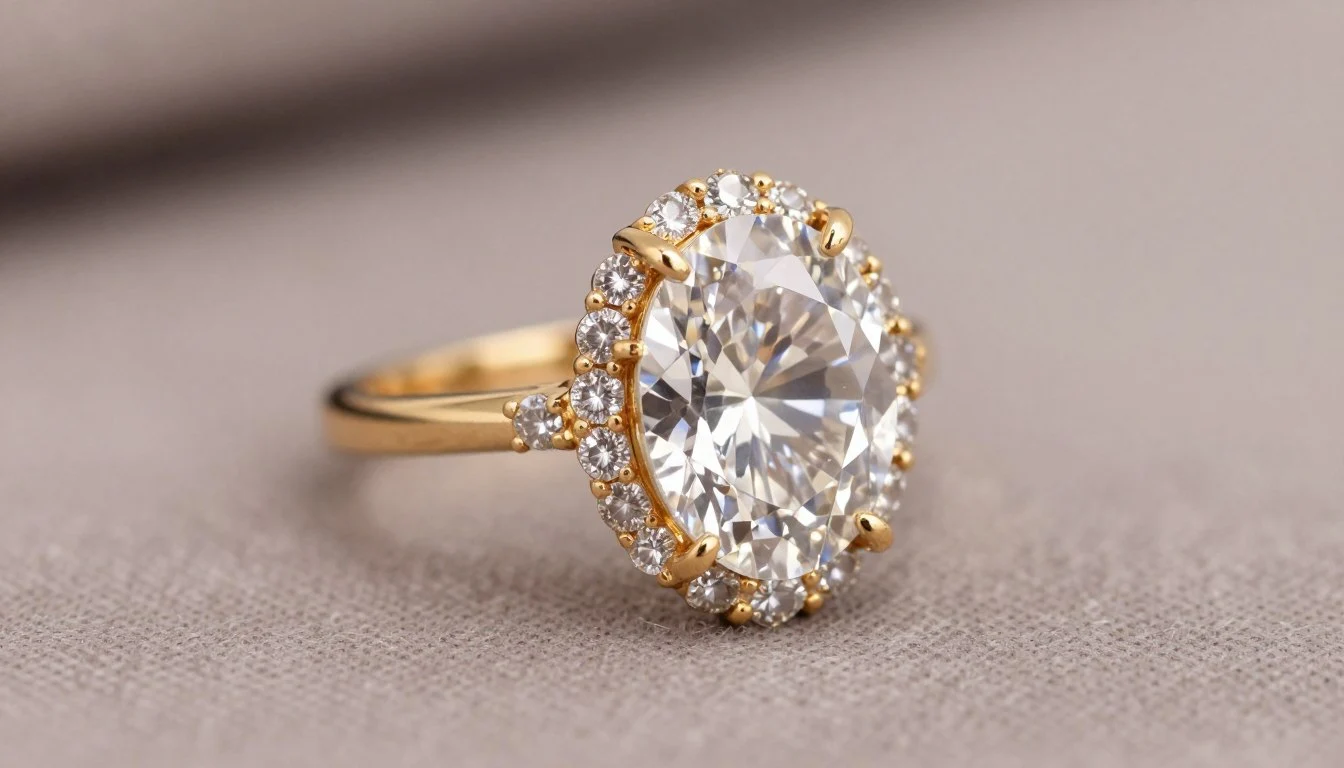
Oval Engagement Ring With Side Stones: Your Style Options
Explore side-stone shapes, diamond cuts, band profiles, and setting styles for oval engagement rings. Learn how to compare stone measurements and choose a balanced design.
Updated November 14, 2026